



Viele Touristen planen bei ihrem Besuch in Ägypten unbedingt eine Wüstensafari ein, mit Besuch eines BeduinendorfesUnd dann, nach ihrer Rückkehr, fragen sie: „Waren das echte Beduinen, und gibt es überhaupt welche in Ägypten?“ Diese Neugierde rührt von der Die Beduinentradition ist einzigartig, authentisch und unterscheidet sich stark vom modernen Leben. Deshalb wollen wir erkunden, wer die Beduinen wirklich sind und wie sie heute leben.
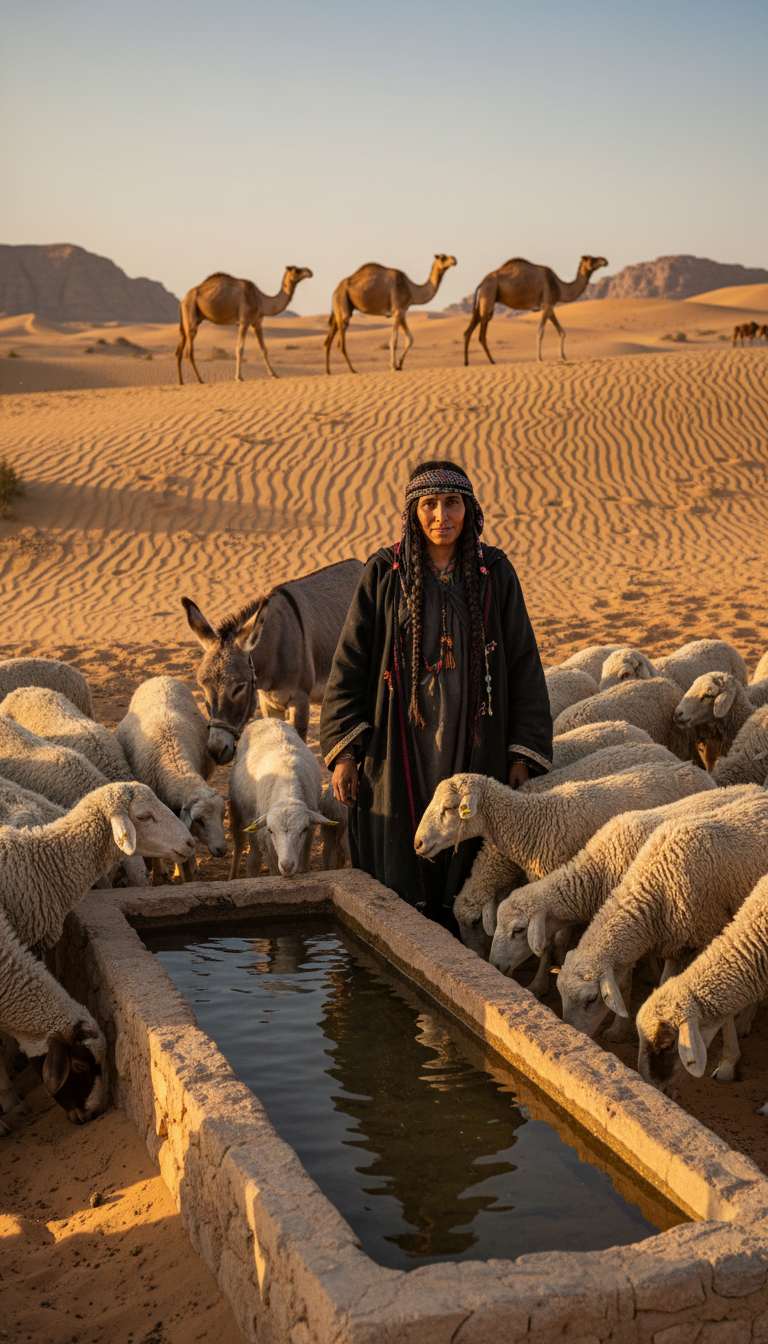
Länder mit der größten Anzahl an Beduinen
Die Beduinen sind ein Nomadenvolk, dessen Präsenz sich über Ägypten hinaus in die gesamte arabische Welt erstreckt. Die größten Populationen leben in Syrien und Saudi-ArabienÄgypten und Jordanien beherbergen ebenfalls viele Beduinenstämme. Kleinere Gemeinschaften existieren in Israel und anderen Ländern. Obwohl der Islam die vorherrschende Religion unter den Beduinen ist, gibt es auch christliche Beduinengemeinschaften.
Ursprünge der Sinai-Beduinen
Die Sinai-Beduinen sind eine Gruppe von Stämmen, die hauptsächlich von Einwanderern der Arabischen Halbinsel abstammen. Eine Ausnahme bildet der Stamm der Jabalaya (jabal = Berg), deren Vorfahren vom Balkan kamen. Im südlichen Sinai gibt es sieben Hauptstämme, obwohl in den letzten Jahren auch einige Stämme aus dem Norden dorthin gezogen sind. In der westlichen Wüste leben weniger Beduinen, und obwohl sie nach wie vor stark mit der Wüste und den Bergen verbunden sind, ziehen viele Familien in die Randgebiete der Städte.
Leben und Beduinentradition
Die Lebensweise der Beduinen ist in Familie, Tradition und dem Rhythmus der Wüste verwurzelt. Beduinenstämme Die Gebiete haben klar definierte Grenzen, aber der Verkehr zwischen ihnen ist offen und uneingeschränkt. Weideflächen und Wasserquellen werden durch langjährige Stammesabkommen gemeinsam genutzt, was einen kooperativen und nachhaltigen Lebensstil in der Wüste belegt.
Das Leben ist einfach und gemächlich, mit einem ausgewogenen Verhältnis zwischen Arbeit und Ruhe. Diese Harmonie mit der Natur ist ein zentraler Bestandteil der Beduinentradition und ermöglicht es ihrer Kultur, über Generationen hinweg zu gedeihen.
Alltag, Kamele und Wüstenbräuche
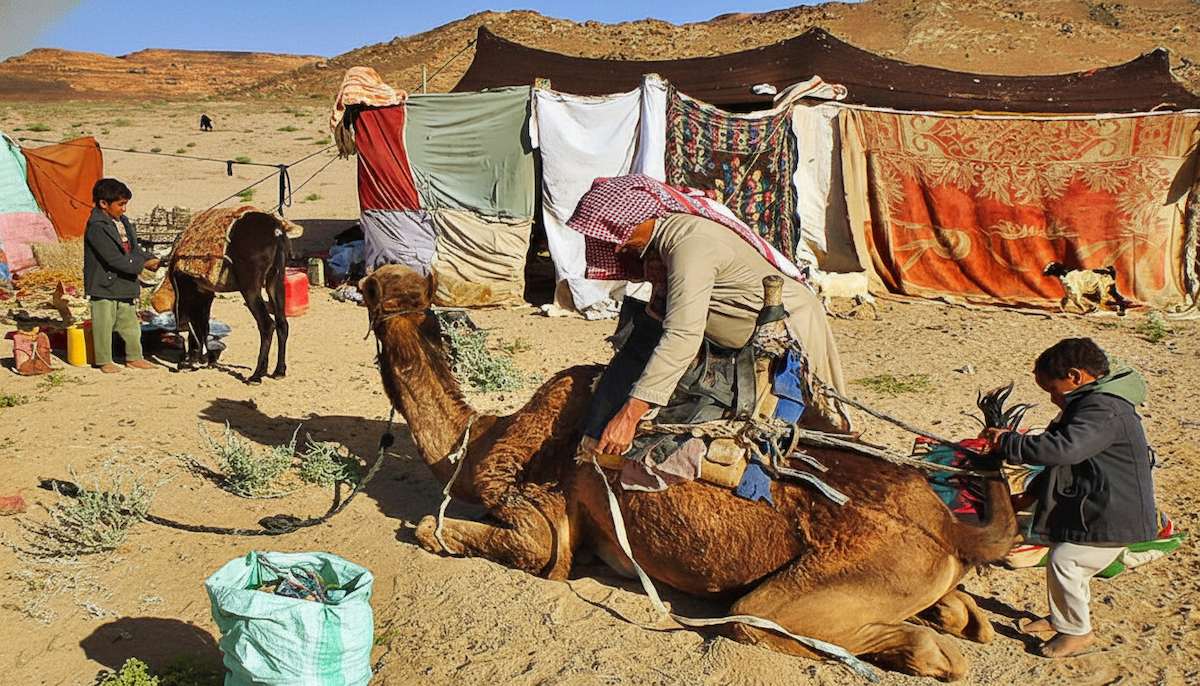
Das Rückgrat des Beduinenlebens bildet ihr Vieh, vor allem Ziegen, Schafe, Esel und Kamele. Das Kamel, das als Geschenk Gottes gilt, erfüllt sowohl praktische als auch kulturelle Zwecke. Es liefert Nahrung und Transportmittel, und Kamelrennen werden zu festlichen Anlässen und religiösen Feiertagen veranstaltet. Historisch gesehen Beduinen waren für den Wüstenhandel unerlässlich.Sie führten Kamelkarawanen und sorgten für den sicheren Warentransport über die weiten Wüstenrouten. Diese Bräuche und Praktiken unterstreichen die anhaltende Bedeutung der Beduinentradition für die Gestaltung des Alltags und der kulturellen Identität.

Beduinenheirat, Familie und Bildung
Die Lebensweise der Beduinen legt großen Wert auf Familie, Ehe und die Weitergabe von Stammesbräuchen. Soziale Strukturen und der Alltag sind eng mit diesen Bräuchen verbunden und spiegeln jahrhundertealte Beduinentraditionen in Wüstengemeinschaften wider.
Ehe und Familienleben gemäß der Beduinentradition
Die Beduinentradition fördert Ehen innerhalb enger Verwandter, daher sind Verbindungen zwischen Cousins, Onkeln und Tanten üblich. Ehen außerhalb der Familie sind selten und dienen in der Regel nur der Bildung von Stammesbündnissen. Von Frauen wird erwartet, dass sie als Jungfrauen heiraten und Kinder bekommenEine größere Familie stärkt den Stamm. Polygamie ist bei den Beduinen erlaubt und wird häufig praktiziert, um sicherzustellen, dass ein Mann viele Kinder hat. Mehr Kinder bedeuten einen größeren und stärkeren Stamm. Bis zu vier Ehefrauen, von denen jede mehrere Kinder gebären kann, bilden ein starkes Fundament für eine stabile und sichere Gemeinschaft.
Die Wahl des Bräutigams wird üblicherweise von der Familie der Braut getroffen, aber beide Partner müssen vor der Hochzeit zustimmen. Ehevertrag Die Eheschließung ist abgeschlossen, und der Bräutigam leistet die vereinbarte Zahlung für die Braut. Scheidungen sind ebenfalls anerkannt und können gemäß islamischem Recht von beiden Ehepartnern eingeleitet werden. In manchen Familien kann eine alleinstehende Frau sieben bis acht Kinder haben und so zum Wachstum und zur Stärke des Stammes beitragen.

Kinder, Bildung und religiöses Lernen in der Beduinentradition
Ab einem Alter von 6 oder 7 Jahren Beduinenkinder Sie beginnen, sich an den Hausarbeiten zu beteiligen und werden schnell zu aktiven Stammesangehörigen. Viele Beduinen, die der Wüste treu bleiben, besuchen keine formale Schule und lernen möglicherweise nicht schreiben, doch die religiöse Bildung genießt einen hohen Stellenwert. Wie alle Muslime werden auch die Kinder im Koran unterrichtet, und dieses Wissen wird von Generation zu Generation weitergegeben, wodurch die Kontinuität der spirituellen und kulturellen Traditionen gesichert wird.
Sprache, Religion und Glaubensvorstellungen der Beduinen
Die Beduinensprache setzt sich aus verschiedenen arabischen Dialekten zusammen und spiegelt die Vielfalt der Stämme in der Wüste wider. Religion spielt in allen Bereichen des Beduinenlebens eine zentrale Rolle und prägt das tägliche Verhalten, die sozialen Regeln und die kulturellen Praktiken. Viele Beduinen an übernatürliche Kräfte glaubenDazu gehören böse Geister, „Dschinn“ und gefährliche Wesen, die als „Landbewohner“ bekannt sind und angeblich manchmal Reisende in der Wüste angreifen. Auch der „neidische Blick“ oder „böse Blick“ wird sehr ernst genommen, insbesondere bei Kindern, die oft schützende Amulette tragen, um sich vor Unheil zu bewahren.
Beduinen muslimischen Glaubens respektieren traditionelle Bestattungsriten, doch sind die Gräber mitunter nicht gekennzeichnet, was es schwierig macht, Familienmitglieder am selben Ort zu bestatten. Diese Bräuche verdeutlichen die tiefe Verbindung zwischen Glaube, Alltag und kulturellen Überzeugungen in der Beduinentradition.
Beduinenwerte: Freiheit, Glaube und Gastfreundschaft
Die Menschen der Wüste schätzen ihre Freiheit sehr, und die wichtigsten Beziehungen innerhalb dieser Freiheit bestehen zu Tieren und vor allem zu Allah. Frieden, Geduld und Widerstandsfähigkeit sind Eigenschaften, die in der rauen Wüstenumgebung hoch geschätzt werden und den Charakter und den Alltag der Beduinen prägen.
Die Beduinen haben eine enge Bindung zu Tieren und Natur
Tiere sind zentraler Bestandteil der Lebensweise der Beduinen und dienen als Transportmittel, Nahrungsquelle und Gefährten. Kamele, Ziegen, Schafe und Esel sind nicht nur praktische Helfer, sondern auch Symbole für Überleben und Wohlstand. Die Beziehung zu diesen Tieren basiert auf gegenseitigem Respekt, Fürsorge und Abhängigkeit und spiegelt die tiefe Verbundenheit der Beduinen mit dem Ökosystem der Wüste wider.
Gastfreundschaft als Ehre und Pflicht in der Beduinentradition
Die Gastfreundschaft der Beduinen ist legendär. Gäste werden mit größtem Respekt behandelt, und vom Gastgeber wird Großzügigkeit erwartet – er schenkt dem Gast sogar ein Kamel, wenn dieser es wünscht. Das letzte Schaf wird unter Umständen geschlachtet, um einen Besucher zu bewirten, und der Gastgeber ist dafür verantwortlich, ihn vor jeglicher Gefahr zu schützen. Wenn ein Tier für einen Gast geopfert wird, folgt dies islamischen Ritualen und bekräftigt so sowohl religiöse als auch kulturelle Werte. Gastfreundschaft gilt als Ehre und heilige Pflicht zugleich und bildet den Kern der sozialen Ethik der Beduinen. Sie stärkt das Vertrauen und den Zusammenhalt der Gemeinschaft.
Traditionelle Beduinenzelte und modernes Wohnen
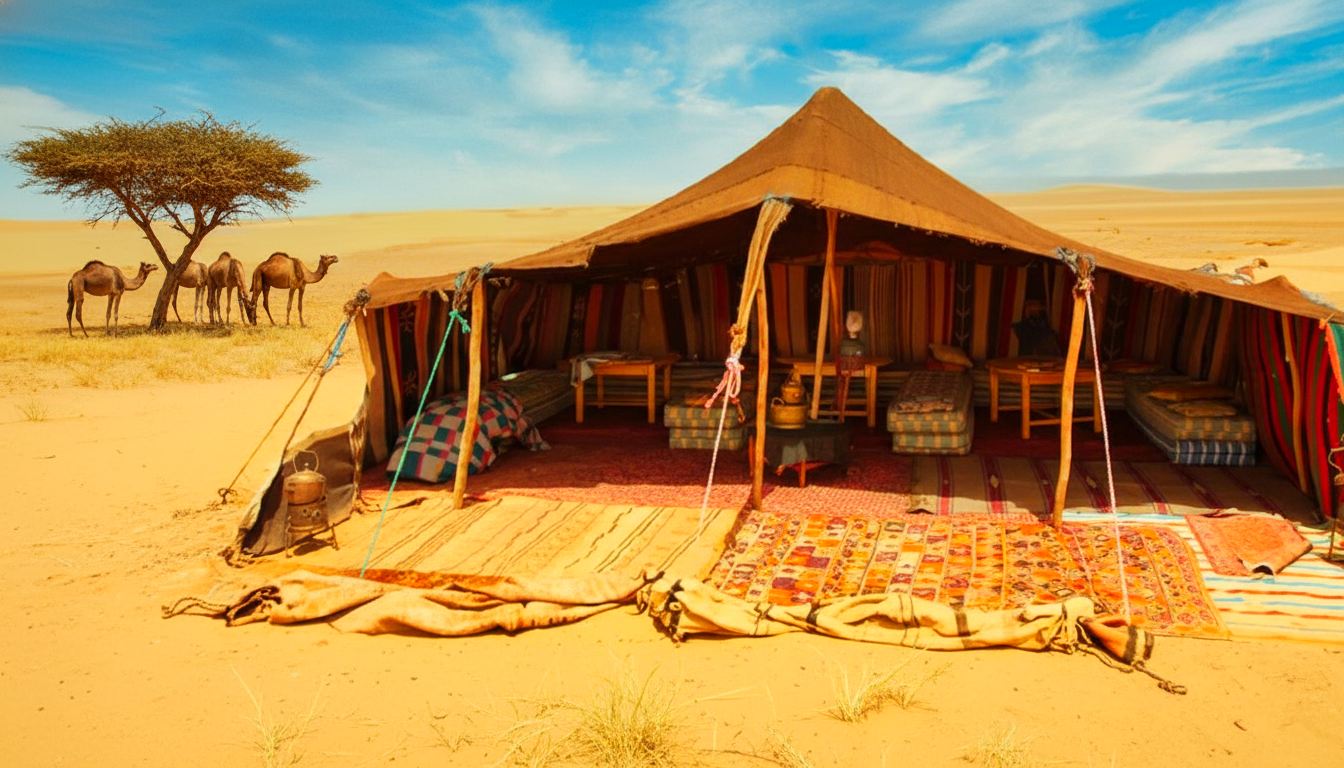
Auch heute noch leben viele Beduinen in Zelten, wie schon seit Jahrhunderten. Diese Zelte werden traditionell aus Ziegen- und Schafhaar handgefertigt, was ihnen außergewöhnliche Stärke und Haltbarkeit verleiht. Ihre natürliche Isolierung und Belüftung machen sie perfekt geeignet für das raue Wüstenklima. Der Zeltinnenraum folgt einer traditionellen Aufteilung und ist in zwei separate Bereiche für Männer und Frauen unterteilt. Diese Gestaltung spiegelt sowohl kulturelle Bräuche als auch die Bedeutung von Privatsphäre im Leben der Beduinen wider.
Kontinuität in modernen Beduinenhäusern
Selbst in ihren Backsteinhäusern bewahren die Beduinen oft diese Trennung und schaffen separate Bereiche für Männer und Frauen, ohne dabei auf modernen Komfort zu verzichten. Die Gestaltung ihrer Wohnräume zeugt von tiefem Respekt vor Tradition, familiären Rollen und Privatsphäre. Das Zelt, ob in seiner traditionellen Form erhalten oder aus wenigen Ziegelsteinen umgebaut, bleibt ein starkes Symbol der Beduinenidentität. Es verbindet Generationen mit ihrem Wüstenerbe und ihren nomadischen Wurzeln.

Bewahrung der Beduinentradition im modernen Leben
Die Traditionen der Beduinen leben weiter, selbst inmitten der modernen Welt. Sie tragen den zeitlosen Geist der Wüste von Generation zu Generation. Ihr Lebensstil gründet auf jahrhundertealtem Wissen, Widerstandsfähigkeit und tiefem Respekt vor der Natur. Auch wenn viele Beduinen in festen Häusern leben oder in die Nähe von Städten ziehen, bleiben ihre grundlegenden Werte unverändert. Freiheit, Großzügigkeit, Zusammenarbeit und starke Familienbande Sie prägen weiterhin ihre Identität und Lebensweise. Diese zeitlosen Traditionen bewahren nicht nur ihre kulturelle Identität, sondern sichern auch, dass dieses einzigartige Erbe noch viele Jahre fortbesteht.