



Mnogi turisti, tokom svoje posete Egiptu, obavezno uključe safari u pustinji, sa posetom beduinskom selu. A onda, po povratku, pitaju: „Jesu li to bili pravi Beduini i da li ih uopšte ima u Egiptu?“ Ova radoznalost proizilazi iz iz činjenice da je beduinska tradicija jedinstvena, autentična i veoma različita od modernog života. Zato, hajde da istražimo ko su zapravo Beduini i kako danas žive.
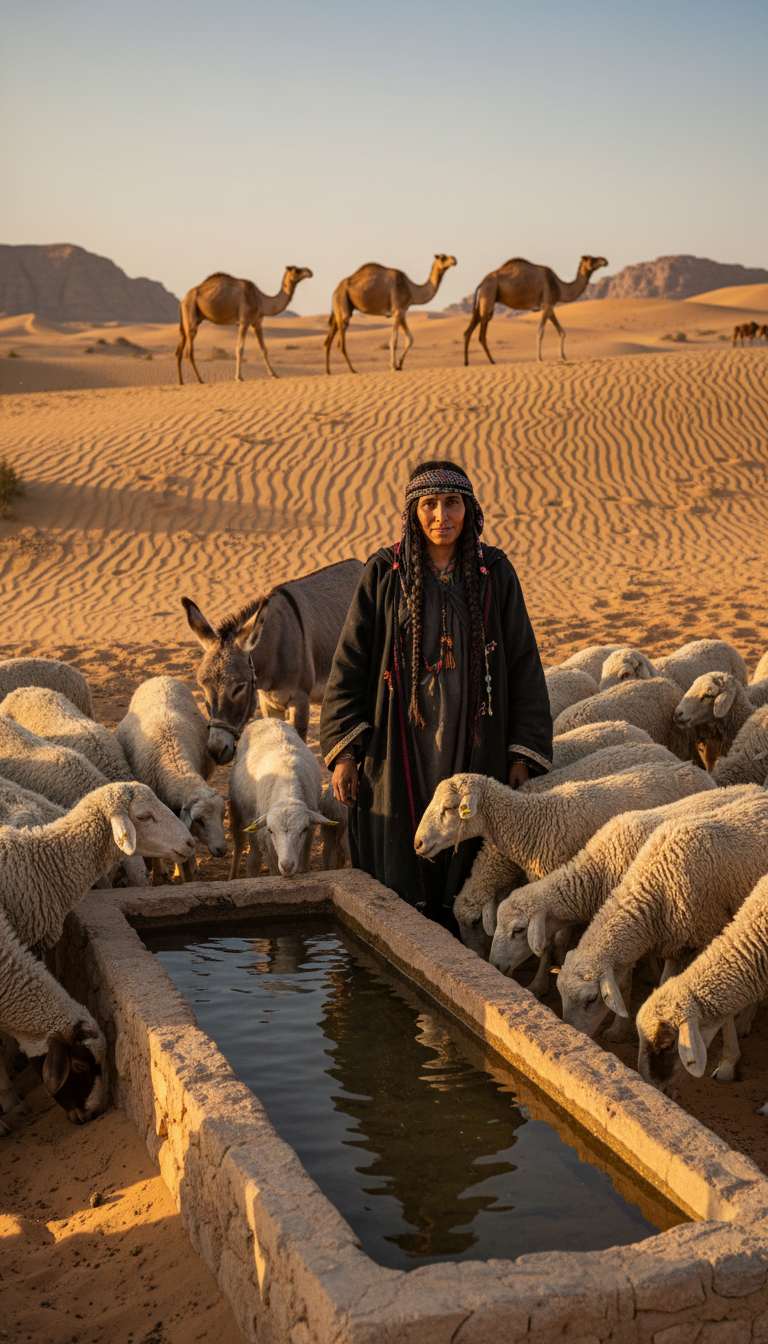
Zemlje sa najvećim brojem beduina
Beduini su nomadski narod čije prisustvo se proteže van Egipta i širom arapskog sveta. Najveće populacije žive u Sirija i Saudijska Arabija, a Egipat i Jordan takođe su domaćini mnogim beduinskim plemenima. Manje zajednice postoje u Izraelu i drugim zemljama. Iako je islam dominantna vera među beduinima, mogu se naći i hrišćanske beduinske zajednice.
Poreklo sinajskih beduina
Sinajski beduini su grupa plemena koja potiču uglavnom od imigranata sa Arabijskog poluostrva. Izuzetak je pleme Džabalaja (džabal = planina), čiji su preci došli sa Balkana. Na južnom Sinaju postoji sedam glavnih plemena, mada su se neka plemena sa severa tamo preselila poslednjih godina. Manje ih je u zapadnoj pustinji, i iako su i dalje snažno vezani za pustinju i planine, mnoge porodice se sele na periferiju gradova.
Život i beduinska tradicija
Beduinski način života je ukorenjen u porodici, tradiciji i ritmu pustinje. Beduinska plemena imaju jasno definisane granice, ali kretanje između njih je otvoreno i neograničeno. Područja za ispašu stoke i izvori vode dele se kroz dugogodišnje međuplemenske sporazume, što pokazuje kooperativan i održiv pustinjski način života.
Život je jednostavan i spor, sa stalnom ravnotežom između rada i odmora. Ova harmonija sa prirodom je ključni deo beduinske tradicije, omogućavajući njihovoj kulturi da napreduje generacijama.
Svakodnevni život, kamile i pustinjski običaji
Okosnica života beduina je njihova stoka, prvenstveno koze, ovce, magarci i kamile. Kamila, koja se smatra darom od Boga, služi i praktičnim i kulturnim svrhama. Ona obezbeđuje hranu i prevoz, dok se trke kamila organizuju tokom svečanih prilika i verskih praznika. Istorijski gledano, Beduini su bili neophodni za trgovinu u pustinji, vođenje karavana kamila i obezbeđivanje bezbednog prolaza robe preko prostranih pustinjskih ruta. Ovi običaji i prakse ističu trajni značaj beduinske tradicije u oblikovanju svakodnevnog života i kulturnog identiteta.

Beduinski brak, porodica i obrazovanje
Beduinski način života pridaje veliki značaj porodici, braku i nastavku plemenskih tradicija. Društvene strukture i svakodnevni život su usko povezani sa ovim običajima, odražavajući vekove beduinske tradicije u pustinjskim zajednicama.
Brak i porodični život prema beduinskoj tradiciji
Beduinska tradicija podstiče brakove unutar bliskih srodnika, tako da su brakovi između rođaka, ujaka i tetaka uobičajeni. Brakovi van porodice su retki i obično se dešavaju samo radi formiranja plemenskih saveza. Od žena se očekuje da udati se kao device i imati decu, jer veća porodica jača pleme. Poligamija je dozvoljena među beduinima i često se praktikuje kako bi se osiguralo da muškarac ima mnogo dece. Više dece znači veće i jače pleme. Imati do četiri žene, od kojih svaka može da rodi nekoliko dece, stvara čvrst temelj za stabilnu i bezbednu zajednicu.
Izbor mladoženje obično vrši porodica mlade, ali oba partnera moraju da se slože pre bračni ugovor je finalizovan, a mladoženja plaća dogovorenu isplatu za mladu. Razvodi su takođe priznati i može ih pokrenuti bilo koji supružnik, u skladu sa islamskim zakonom. U nekim porodicama, sama žena može imati 7-8 dece, što doprinosi rastu i snazi plemena.

Deca, obrazovanje i versko učenje u beduinskoj tradiciji
Od 6. ili 7. godine, Beduinska deca počinju da učestvuju u kućnim poslovima i brzo postaju aktivni plemenski radnici. Mnogi beduini koji ostaju vezani za pustinju ne pohađaju formalne škole i možda ne uče da pišu, ali je versko obrazovanje veoma cenjeno. Kao i svi muslimani, deca uče Kuran, a to znanje se prenosi s generacije na generaciju, osiguravajući kontinuitet duhovnih i kulturnih tradicija.
Jezik, religija i verovanja beduina
Beduinski jezik se sastoji od različitih dijalekata arapskog jezika, što odražava raznolikost plemena širom pustinje. Religija igra centralnu ulogu u svim aspektima života beduina, usmeravajući svakodnevno ponašanje, društvena pravila i kulturne prakse. Mnogi beduini veruju u natprirodne sile, uključujući zle duhove, „džine“ i opasna bića poznata kao „ljudi iz zemlje“, za koje se kaže da ponekad napadaju putnike u pustinji. „Zavidno oko“ ili „urok“ se takođe shvata veoma ozbiljno, posebno kod dece, koja često nose zaštitne amajlije kako bi odbranila od zla.
Beduini muslimanske veroispovesti poštuju tradicionalne obrede sahranjivanja, ali grobovi ponekad nisu obeleženi, što otežava sahranjivanje članova porodice na istoj lokaciji. Ovi običaji ističu duboku vezu između vere, svakodnevnog života i kulturnih verovanja u beduinskoj tradiciji.
Beduinske vrednosti: sloboda, vera i gostoprimstvo
Ljudi pustinje duboko cene svoju slobodu, a najznačajniji odnosi unutar te slobode su sa životinjama i, pre svega, sa Alahom. Mir, strpljenje i otpornost su osobine koje su visoko cenjene u surovom pustinjskom okruženju, oblikujući karakter i svakodnevni život beduinskog naroda.
Veza beduina sa životinjama i prirodom
Životinje su ključne za beduinski način života, pružajući prevoz, hranu i društvo. Kamile, koze, ovce i magarci nisu samo praktična imovina već i simboli opstanka i prosperiteta. Odnos sa ovim životinjama je izgrađen na međusobnom poštovanju, brizi i zavisnosti, što odražava duboku vezu beduina sa pustinjskim ekosistemom.
Gostoprimstvo kao čast i dužnost u beduinskoj tradiciji
Beduinsko gostoprimstvo je legendarno. Gosti se tretiraju sa najvećim poštovanjem, a od domaćina se očekuje da bude izdašan, čak i da pokloni kamilu ako je gost želi. Poslednja ovca može biti zaklana da bi se nahranio posetilac, a domaćin je odgovoran za zaštitu gosta od svake potencijalne opasnosti. Kada se životinja žrtvuje za gosta, taj čin sledi islamske ritualne prakse, jačajući i verske i kulturne vrednosti. Gostoprimstvo se smatra i čašću i svetom dužnošću, čineći srž beduinske društvene etike i jačajući poverenje i veze u zajednici.
Tradicionalni beduinski šatori i moderan način života
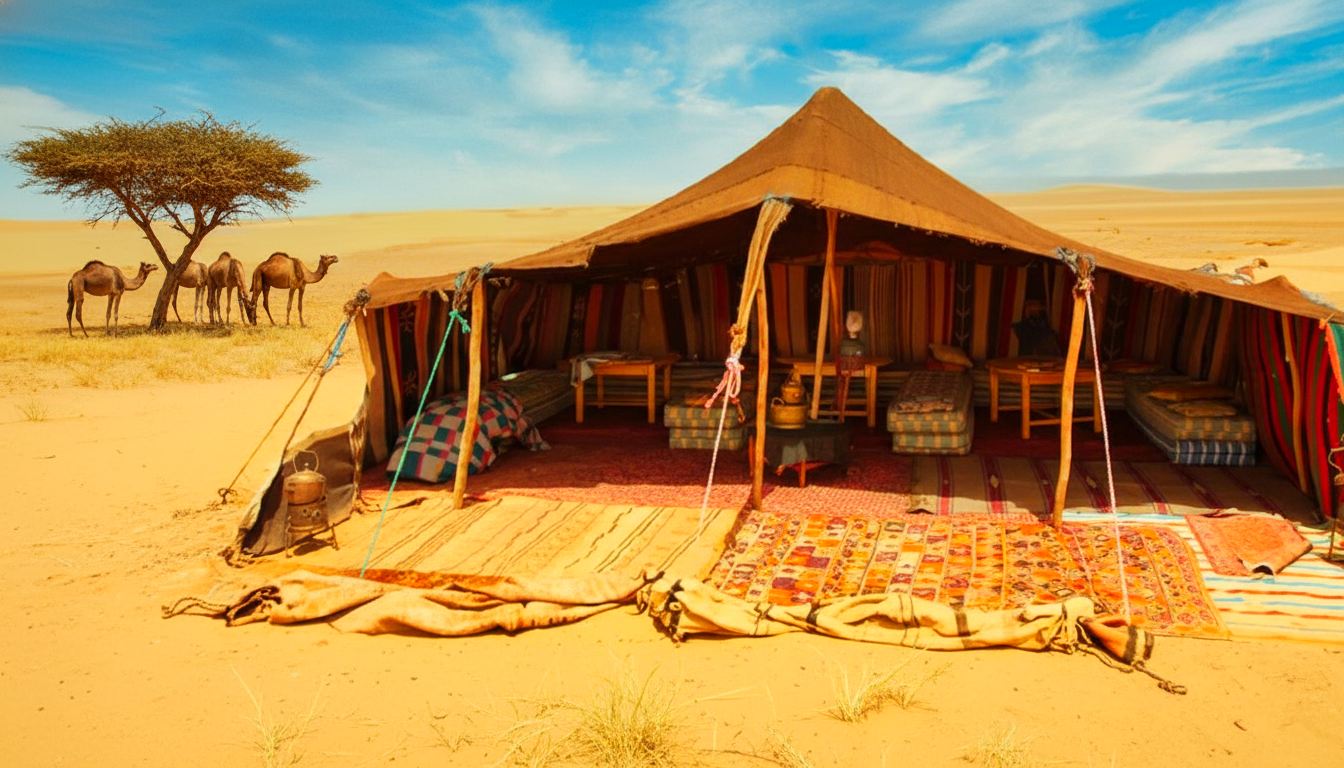
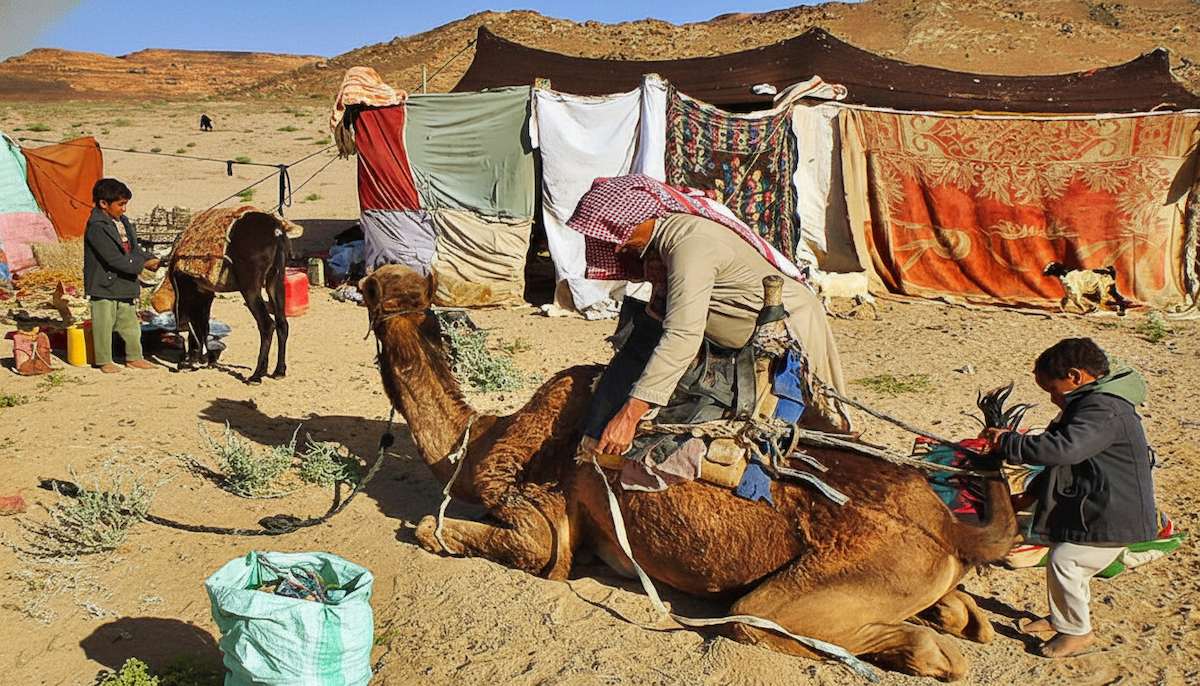
Čak i danas, mnogi beduini nastavljaju da žive pod šatorima, baš kao što su to činili vekovima. Ovi šatori se tradicionalno ručno izrađuju od kozje i ovčije dlake, što im daje izuzetnu čvrstoću i izdržljivost. Njihova prirodna izolacija i ventilacija čine ih savršeno prilagođenim surovim pustinjskim klimatskim uslovima. Unutrašnjost šatora prati tradicionalni raspored, podeljen na dva odvojena dela za muškarce i žene. Ovaj dizajn odražava i kulturne običaje i važnost privatnosti u beduinskom životu.
Kontinuitet u modernim beduinskim domovima
Čak i u kućama od cigle, beduini često zadržavaju ovu podelu, obezbeđujući odvojene prostore za muškarce i žene, dok se istovremeno prilagođavaju savremenim udobnostima. Struktura njihovih životnih prostora odražava duboko poštovanje tradicije, porodičnih uloga i privatnosti. Šator, bilo da je sačuvan u svom tradicionalnom obliku ili prilagođen unutar nekoliko cigli, ostaje snažan simbol beduinskog identiteta. On nastavlja da povezuje generacije sa njihovim pustinjskim nasleđem i nomadskim korenima.

Očuvanje beduinske tradicije u savremenom životu
Beduinske tradicije nastavljaju da cvetaju, čak i dok se savremeni život razvija oko njih. Oni nose bezvremenski duh pustinje sa generacije na generaciju. Njihov način života izgrađen je na vekovima znanja, otpornosti i dubokog poštovanja prema prirodi. Čak i dok se mnogi beduini naseljavaju u ciglene kuće ili se sele bliže urbanim područjima, njihove osnovne vrednosti ostaju nepromenjene. Sloboda, velikodušnost, saradnja i jake porodične veze nastavljaju da oblikuju njihov identitet i način života. Ove bezvremenske tradicije ne samo da čuvaju njihov kulturni identitet već i osiguravaju da ovo jedinstveno nasleđe živi dugi niz godina.