



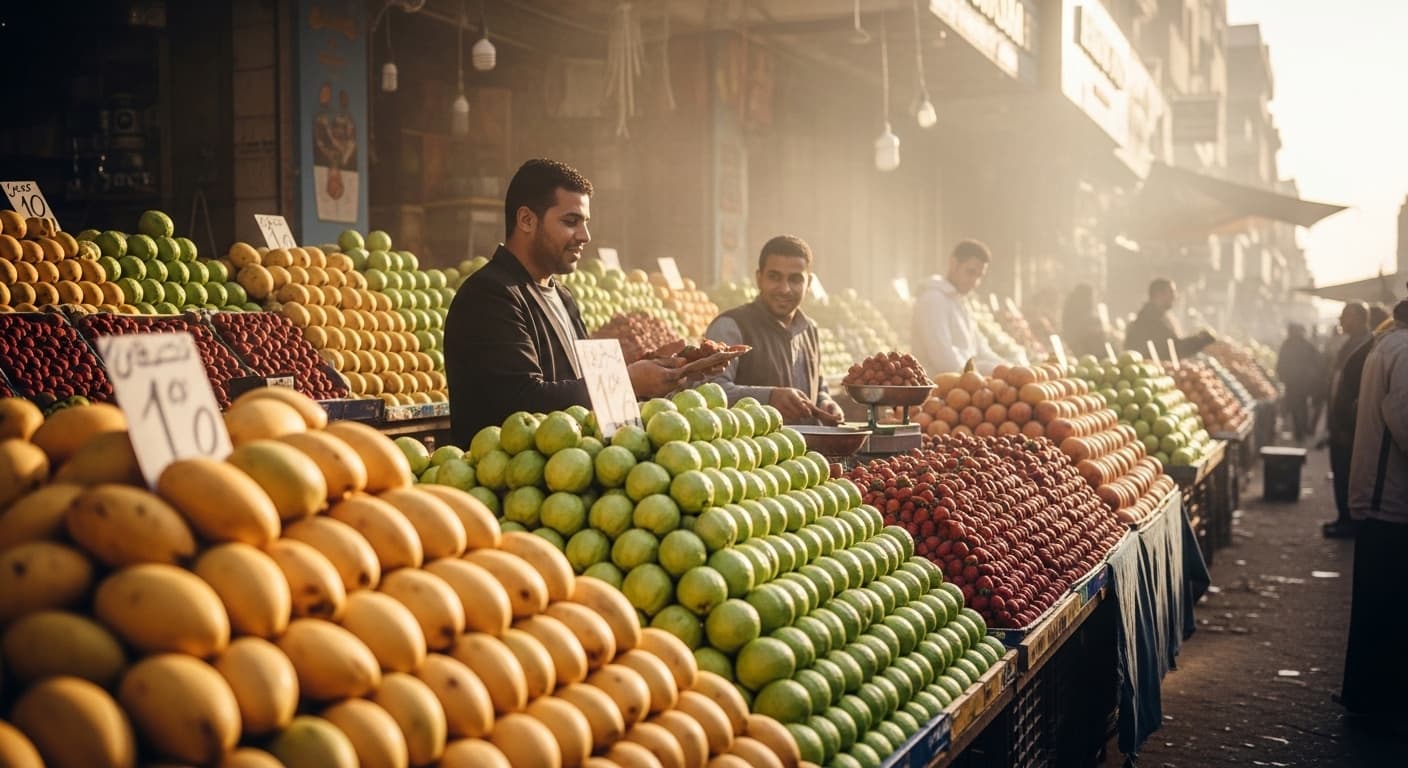
Walking through the vibrant markets of Hurghada, the air is thick with the scent of ripening mangoes and sugary guavas. Forget the waxed, tasteless produce from your local supermarket. Egyptian fruits are a sensory awakening. Here, fruit isn’t just a snack; it’s a seasonal event. These gems ripen under a relentless sun in the Nile’s fertile soil. This makes the flavor concentrated, sweet, and incredibly messy. Once you taste a sun-drenched Egyptian mango, your fruit back home will seem like a pale imitation. In Egypt, you eat what the season provides. It is usually the best thing you will taste on your entire trip.
The “big three” of Egyptian heavyweights
Most visitors are shocked by the sheer intensity of the flavors found here. These Egyptian fruits are the absolute crowd-pleasers that define the seasons for locals and tourists alike.
Mango as the undisputed king
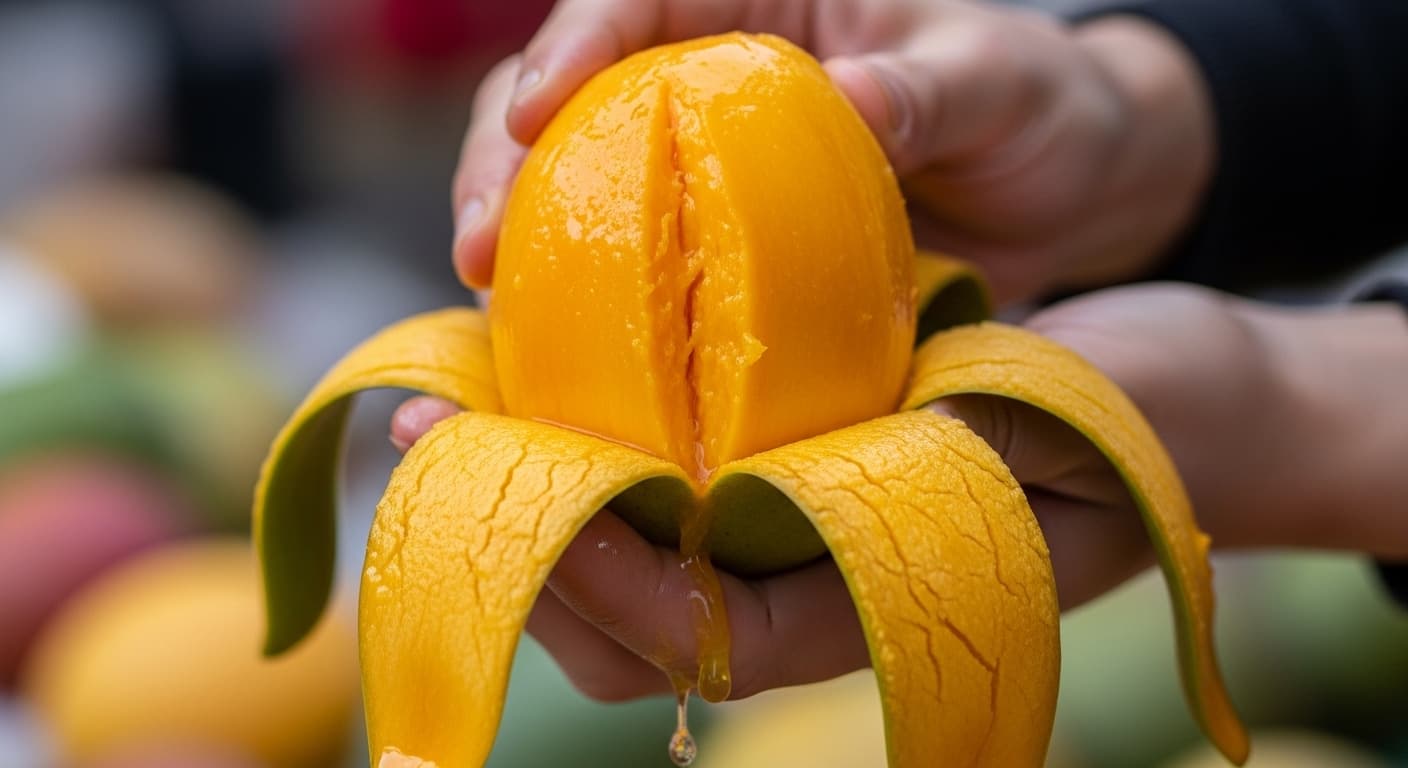
If you visit Egypt between July and October, prepare for “Mango Madness.” Forget those sad, fibrous rocks you find in European supermarkets. Egyptian fruits like the Awees or Fas are pure, buttery gold. They are so sweet and juicy that eating one is less of a snack and more of a full-body contact sport. You’ll likely need a shower and a change of clothes afterward, but it is worth every sticky second.
Winter miracle in strawberry
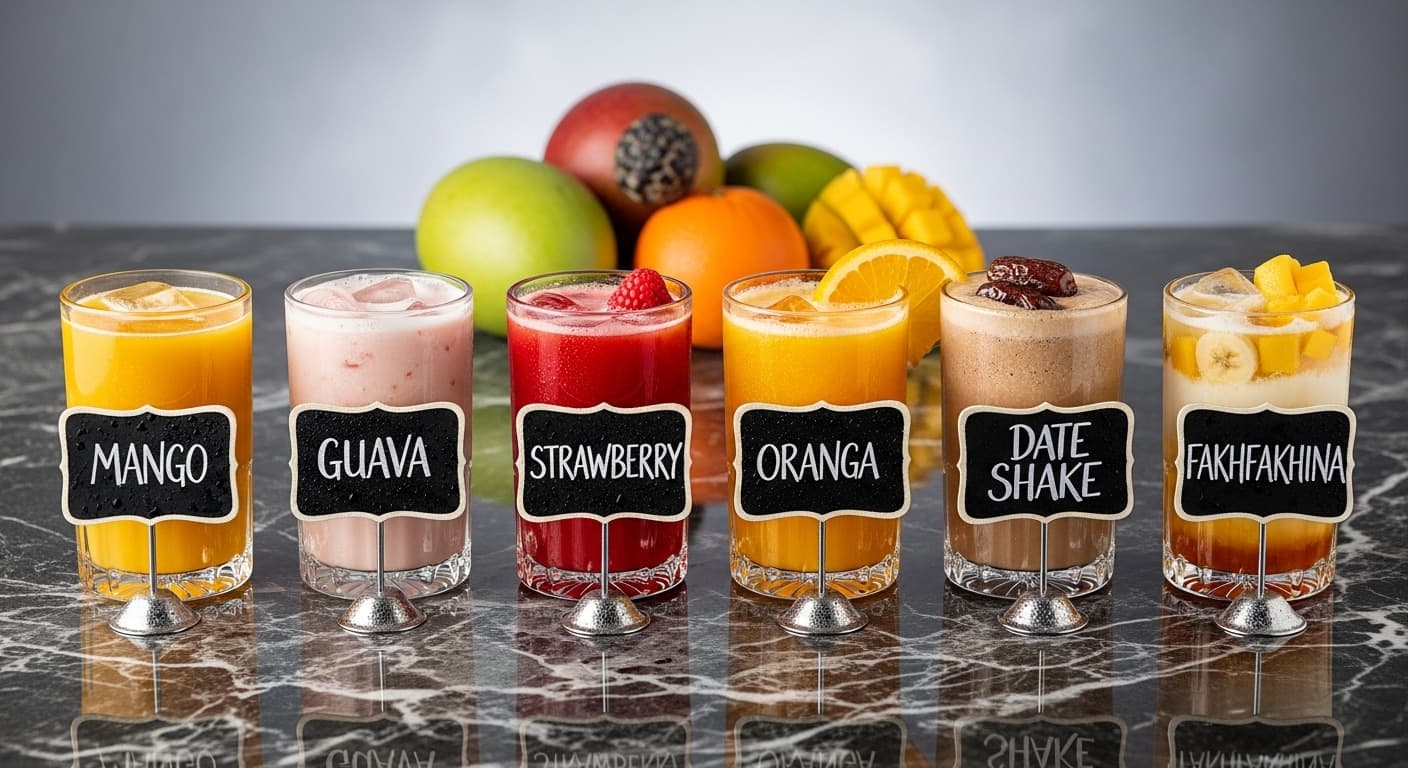
While the rest of the world is shivering, Egypt turns into one giant strawberry field. From December to April, these bright red gems take over every street corner. They are small, fragrant, and actually taste like strawberries instead of crunchy water. You’ll find them whizzed into thick juices that are basically a hug in a glass. They are the perfect winter pick-me-up for any sun-seeking traveler.
Fresh, crunchy, and sweet dates
Most tourists only know the sticky, wrinkled dates from a box. In Egypt, we do things differently. You have to try the fresh ones! Look for the bright yellow Barhi dates. They are crunchy like an apple and sweet like honey. If you prefer something softer, the dark red ones are like natural caramel. These Egyptian fruits are the ultimate energy boost for when you’re tired of walking through temples.
Nostalgia in a peel: The flavors of childhood
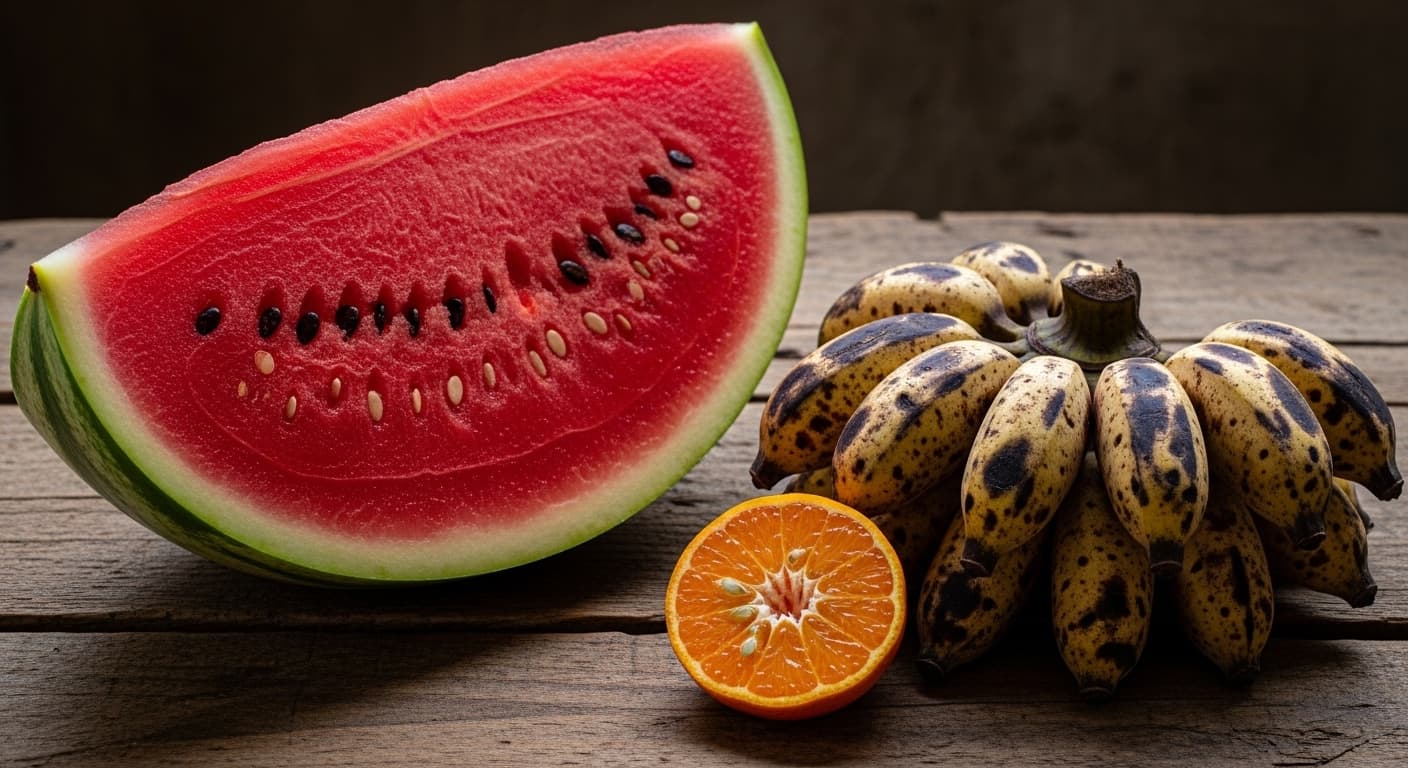
Beyond the famous icons, Egyptian fruits like watermelons and kiwis bring back that intense “childhood taste” that has vanished from modern supermarkets. Our watermelons are massive, deep red, and so sweet they’ll make you forget every bland melon you’ve ever had. Then there’s the Balady banana. It’s small, ugly, and spotted, but don’t let looks fool you; they are ten times sweeter than the giant, plastic-looking ones from the tropics. During winter, the air is filled with the scent of Yousfi (mandarins) and juicy Balady oranges, which are the gold standard for fresh juice.
Weird and wonderful: The Egyptian “exotics”
If you want to eat like a true local, you have to step outside your comfort zone. These Egyptian fruits might look like they belong in a sci-fi movie, but their flavor is out of this world.
Kaka: The honey bomb
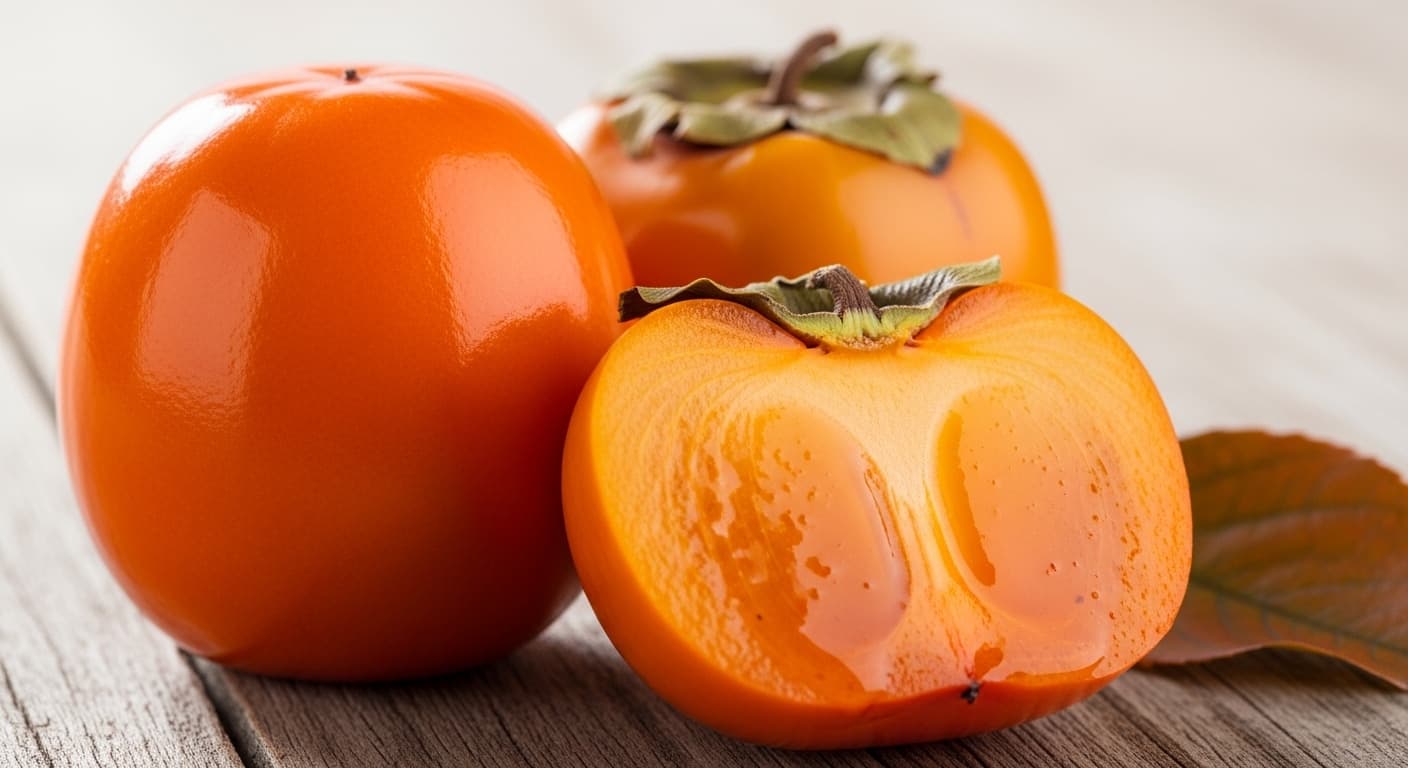
Don’t let the name make you giggle, the Kaka (Persimmon) is serious business. When these are in season during the autumn and winter, they are like nature’s version of a honey-filled balloon. If you find them perfectly ripe, they are soft, jelly-like, and so sweet they almost taste like maple syrup. Just be careful: if you eat one that isn’t ripe yet, your mouth will feel like it’s wearing a wool sweater! Wait until they are squishy and deep orange for the best experience.
Tin shawky: The fruit with a grudge
Meet the Prickly Pear, or Tin Shawky. You’ll see them on colorful wooden carts everywhere in the summer. Pro tip: Do NOT try to peel these yourself unless you want a hand full of invisible, microscopic needles. Let the street vendor do the work; they are masters at slicing them open in seconds. The reward? A cool, crunchy, neon-pink center that tastes like a mix of melon and bubblegum. It’s the ultimate refreshing street snack for about five cents.
Ashta: The dinosaur egg
The Ashta (Custard Apple) looks like a green, scaly dinosaur egg. It’s probably the weirdest-looking thing in the market, but inside is a creamy, white heaven. It tastes exactly like vanilla custard mixed with a hint of pineapple. It’s so rich and decadent that you’ll feel like you’re eating dessert straight from a tree. If you see one that’s slightly soft to the touch, grab it—it’s ready for its big moment.
Guava: The room freshener
Egyptian guavas are small, pale, and pack a punch. If you leave a bag of ripe guavas in your hotel room in Hurghada, the entire floor will smell like a tropical paradise within an hour. They are incredibly sweet and are usually the base of the best fresh juices you’ll find in any local “Mahall Ghasab” (juice shop). Just watch out for the tiny seeds. They are tougher than they look!
Pro-tips for the fruit explorer
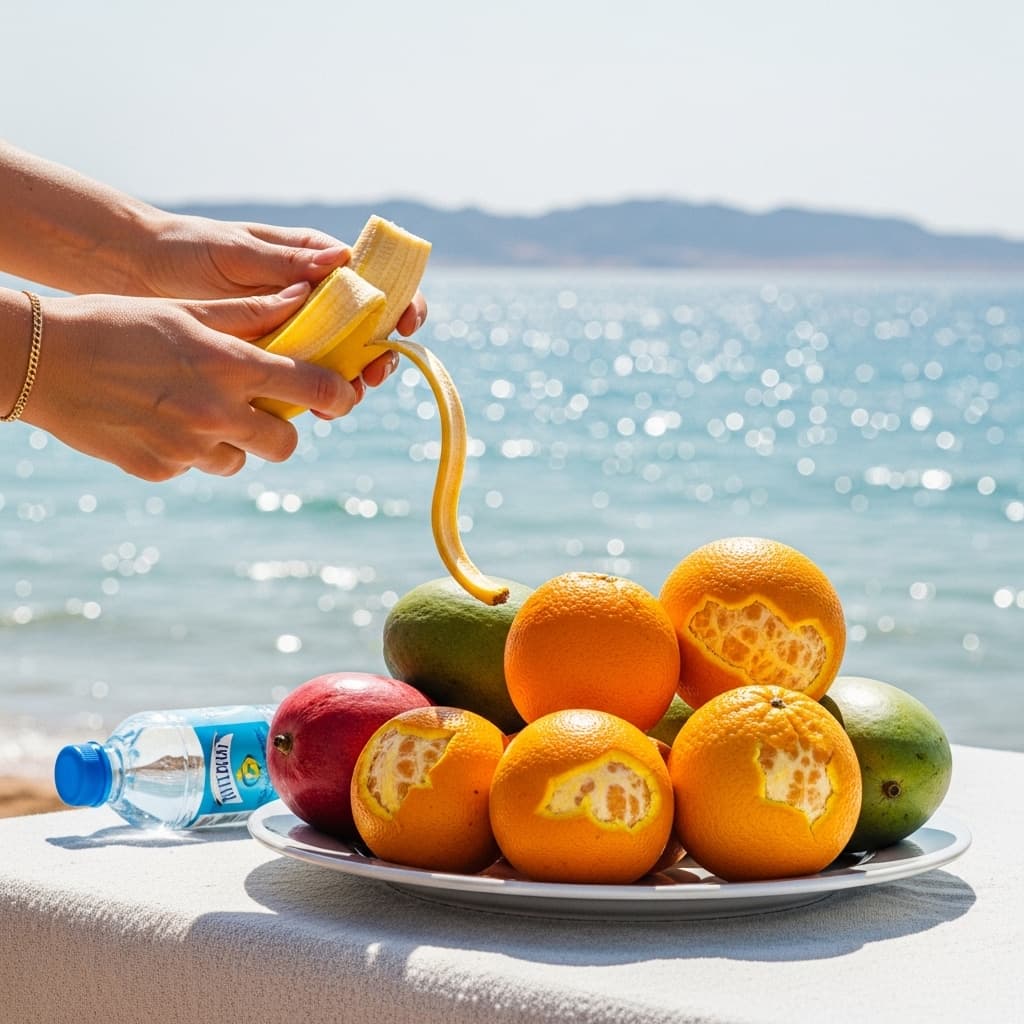
Now that you’re ready to raid the local market, here is some “local guide” wisdom to keep your stomach as happy as your taste buds. If you’re buying Egyptian fruits from a street cart, don’t just wipe them on your shirt. Wash them with bottled or filtered water. For fruits like grapes or strawberries, a quick soak in water with a splash of vinegar is the local secret to making sure they are perfectly clean. Of course, with “peelable” gems like bananas or oranges, nature has already done the packaging for you!
Join the juice culture
In Egypt, we don’t just eat fruit; we drink it. You’ll see “Mahall Ghasab” (juice shops) on almost every corner, decorated with hanging fruit. You must try the Fakhfakhina. It’s the ultimate Egyptian fruit salad cocktail, layers of fresh juice topped with chunks of mango, apple, banana, and sometimes a dollop of cream or honey. It’s a meal in a cup and a true taste of Egyptian hospitality.
Savoring the best Egyptian fruits safely
At the end of the day, tasting your way through the local market is the quickest way to fall in love with Egypt. Egyptian fruits offer a flavor profile you simply can’t find in a supermarket back home. They are the soul of our sun-drenched land and a true highlight for any traveler. Just remember to use your “local guide” common sense: wash what you can’t peel with bottled water, follow the seasons, and don’t be afraid of the weird looking “dinosaur eggs.” When you eat like a local, you don’t just fuel your body; you taste the history and hospitality of the Nile.
| Fruit Name | Peak Market Months |
|---|---|
| Strawberries | December – April |
| Oranges & Mandarins (Yousfi) | December – May |
| Bananas (Balady) | All Year Round |
| Watermelon | May – August |
| Mangoes (The King!) | July – November |
| Grapes | June – September |
| Prickly Pear (Tin Shawky) | July – September |
| Figs | July – September |
| Dates (Fresh) | August – October |
| Pomegranate | September – November |
| Guava | September – December |
| Kaka (Persimmon) | October – December |
| Ashta (Custard Apple) | October – January |