



Luxury travel today is no longer defined solely by five-star hotels or private transfers. True luxury lies in meaningful experiences, where travelers connect with the soul of a destination. In Egypt’s deserts, stretching from the Red Sea mountains near Hurghada to the sacred landscapes of Sinai, Bedouin culture offers one of the most authentic encounters in the Middle East. Among the most intriguing elements of this culture, are the ancient facial marks, once worn by Bedouin women and men. These marks were not random decorations. They were symbols, subtle, powerful, and deeply personal, through which identity, beauty, and belonging were expressed.
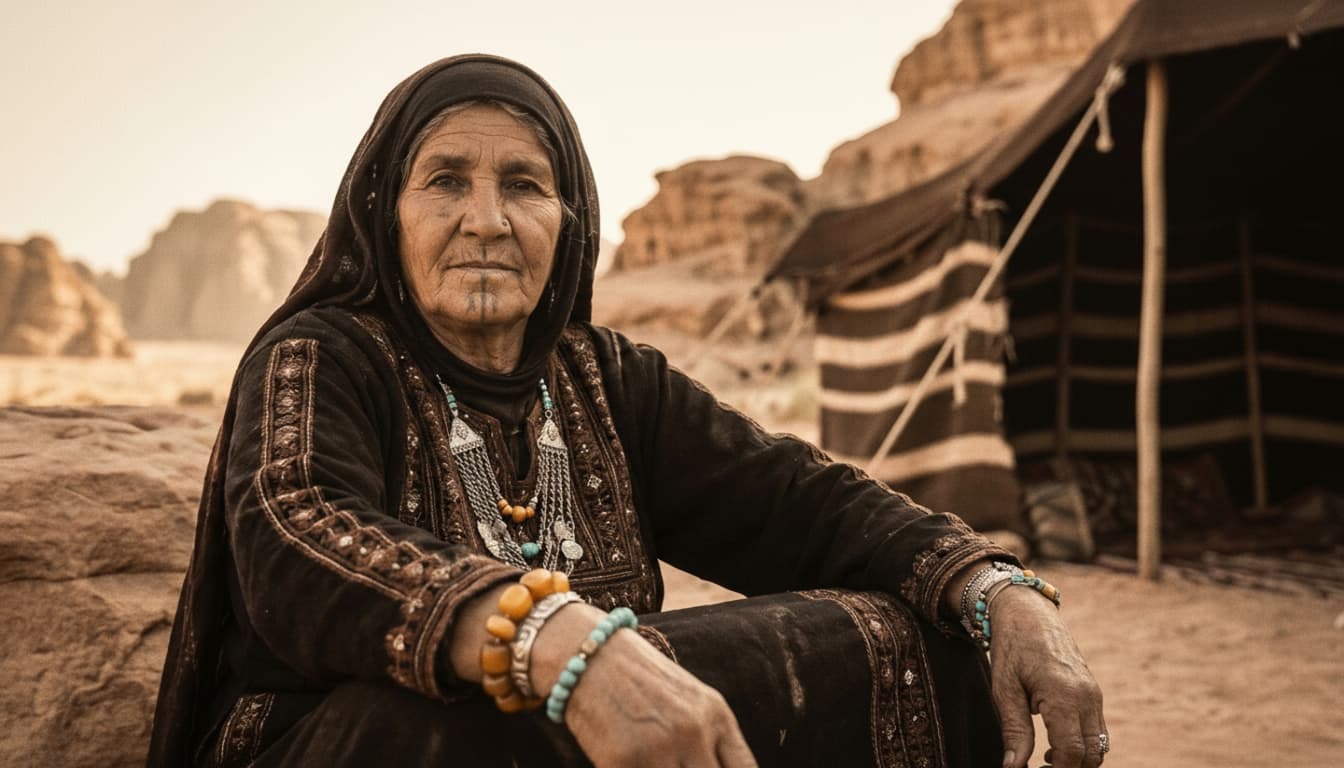
Chin marks on Bedouin women: Timeless desert beauty
Bedouin facial tattoos, particularly chin marks, are a profound visual language that once represented women’s social identities. In many Bedouin communities, women traditionally adorned their chins with a delicate vertical line or a set of small dots. These markings, often created during adolescence or before marriage, were considered an essential part of feminine identity.
1. Natural beauty & aesthetics
In the traditional Bedouin view, these marks were the ultimate form of “permanent jewelry.” Unlike gold or silver, which could be lost or sold, these marks were inseparable from the woman.
-
The look: Vertical lines on the chin were thought to elongate the face and brighten the smile.
-
The symbolism: They acted as a permanent “veil” of beauty, enhancing the features that were most prized in desert culture, strength and symmetry.
2. Tribal belonging and facial marks
The desert is a vast place, and marks served as a living GPS for social structures.
-
Unique patterns: Specific arrangements of dots or geometric shapes on the chin or cheeks acted like a “coat of arms.”
-
Recognition: A stranger could look at a woman’s chin and immediately know which tribe or clan she belonged to, ensuring she was treated with the respect (or caution) accorded to her family line.
3. A rite of passage
These marks were rarely given to children. They were earned transitions in a woman’s life.
-
Maturity: Receiving the chin marks usually coincided with puberty, signaling that a girl had become a woman.
-
Marriageability: In many tribes, the completion of the facial marks was a public declaration that the woman was now ready for marriage and the responsibilities of a household.
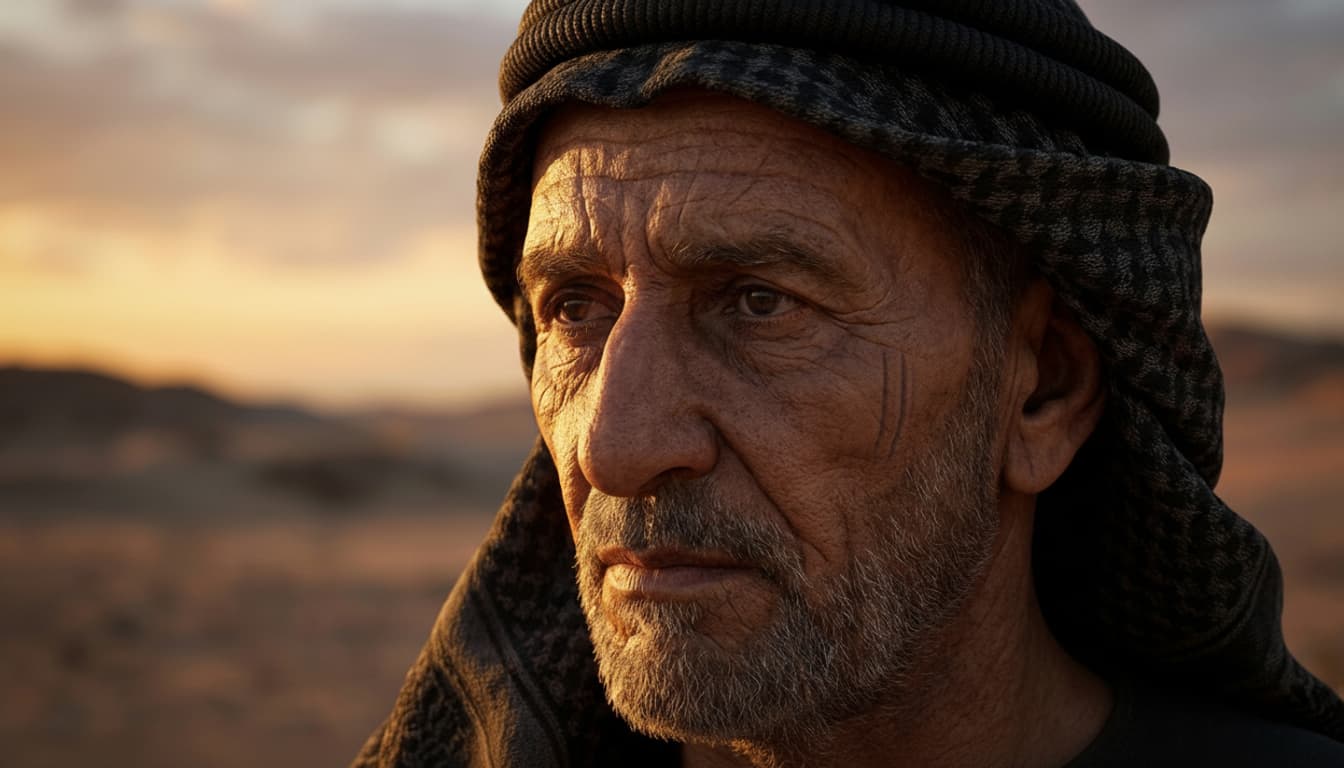
Tribal scars on men: Honor written in skin
While the women’s tattoos were often intricate and aesthetic, the tribal scars on men were visceral “badges of courage.”
The anatomy of a mark
The placement of these scars, typically three vertical or horizontal lines on the cheeks, was not accidental. They were designed to be visible even from a distance or while wearing a headscarf.
Deepened meanings of the scars
A “living passport”: In the vast, lawless stretches of the ancient desert, a man’s face was his identification. The specific spacing and number of scars told allies and enemies exactly who his protectors were. This recognition was vital for survival during long journeys.
The litmus test of pain: The process of scarring was done without any form of numbing. A young man’s ability to remain stoic, to not flinch or cry out, was his first true act of courage. If he showed fear, it could stain his reputation; if he remained calm, his honor was solidified.
The warrior’s vow: The scars were a physical manifestation of a man’s readiness to protect. They signaled to the community that he was no longer a boy to be guarded, but a shield for the tribe’s women, children, and livestock.
Loyalty beyond words: Unlike a piece of clothing or a weapon, these scars could never be removed. They represented an eternal commitment to the tribe’s laws and survival. To betray the tribe was to betray the marks on one’s own skin.
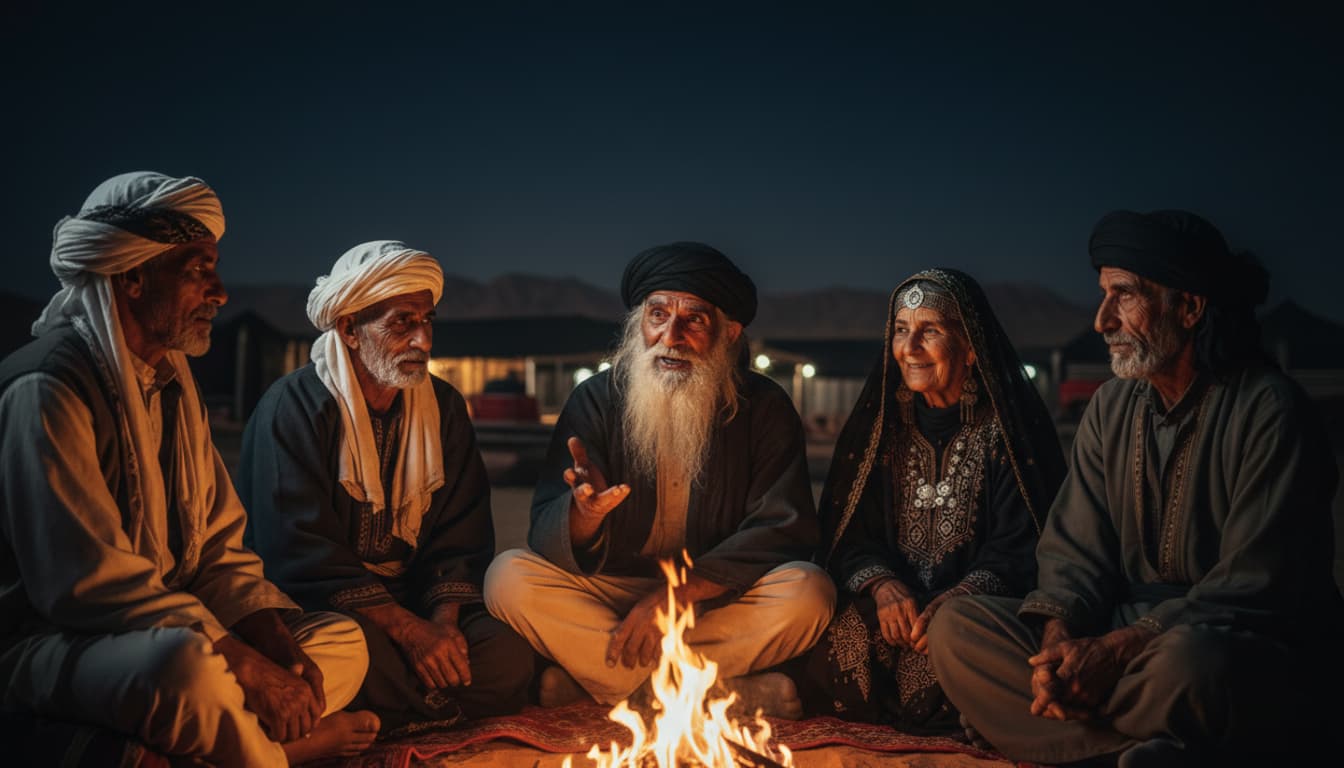
When the skin was the only doctor
In Bedouin culture, tattoos and scars were often much more than social or aesthetic marks. They were a form of “living medicine.” When formal doctors were days away by camel, the skin became a canvas for both prevention and cure.
Physical healing (Therapeutic tattooing)
Tattoos were often placed specifically on areas of the body that suffered from chronic pain or weakness. This was an ancient form of “acupuncture” combined with folk medicine. Marks on the wrists or ankles were believed to “strengthen” the joint. The small dots or lines on the temples were applied to “release” the pressure of persistent headaches. And for some tribes, specific marks near the outer corners of the eyes were thought to sharpen vision or protect against infections.
Spiritual “vaccination” (The evil eye)
In the desert, illness was often attributed to the “evil eye” or malevolent spirits. Facial marks were designed to be the first thing a stranger noticed. The belief was that the tattoo would “catch” the first glance of envy or malice, absorbing the negative energy before it could enter the body and cause sickness. Deep blue ink made from indigo or soot was chosen for its spiritual power. This specific color was believed to repel evil spirits and protect the wearer from harm.
3. Fertility and childbirth
For women, protection of the reproductive system was vital for the tribe’s survival.
-
Pregnancy protection: Tattoos on the abdomen or lower back were often used as spiritual “shields” to prevent miscarriages or complications during birth.
-
Grief marks: If a woman lost several children to illness, she might get a specific mark on the tip of her nose or her forehead. This was a plea for divine protection over her future children, intended to “confuse” the spirits of death so they would pass her by.

4. Cauterization (Kaiy)
While not a tattoo, cauterization (scarring with a hot iron) was perhaps the most common medicinal practice for men and women. Elders would apply a heated needle or rod to specific “pressure points” on the body. These scars were intended to treat everything from internal organ pain to mental exhaustion.
Why these traditions faded
Over time, facial marking traditions gradually disappeared due to:
- The spread of Islam, which discouraged permanent body markings
- Modern education and urban migration
- Changing concepts of beauty and individuality
While facial marking traditions are no longer practiced, their cultural memory remains vivid. Jewelry patterns, clothing embroidery, poetry, and storytelling still carry echoes of these ancient symbols.
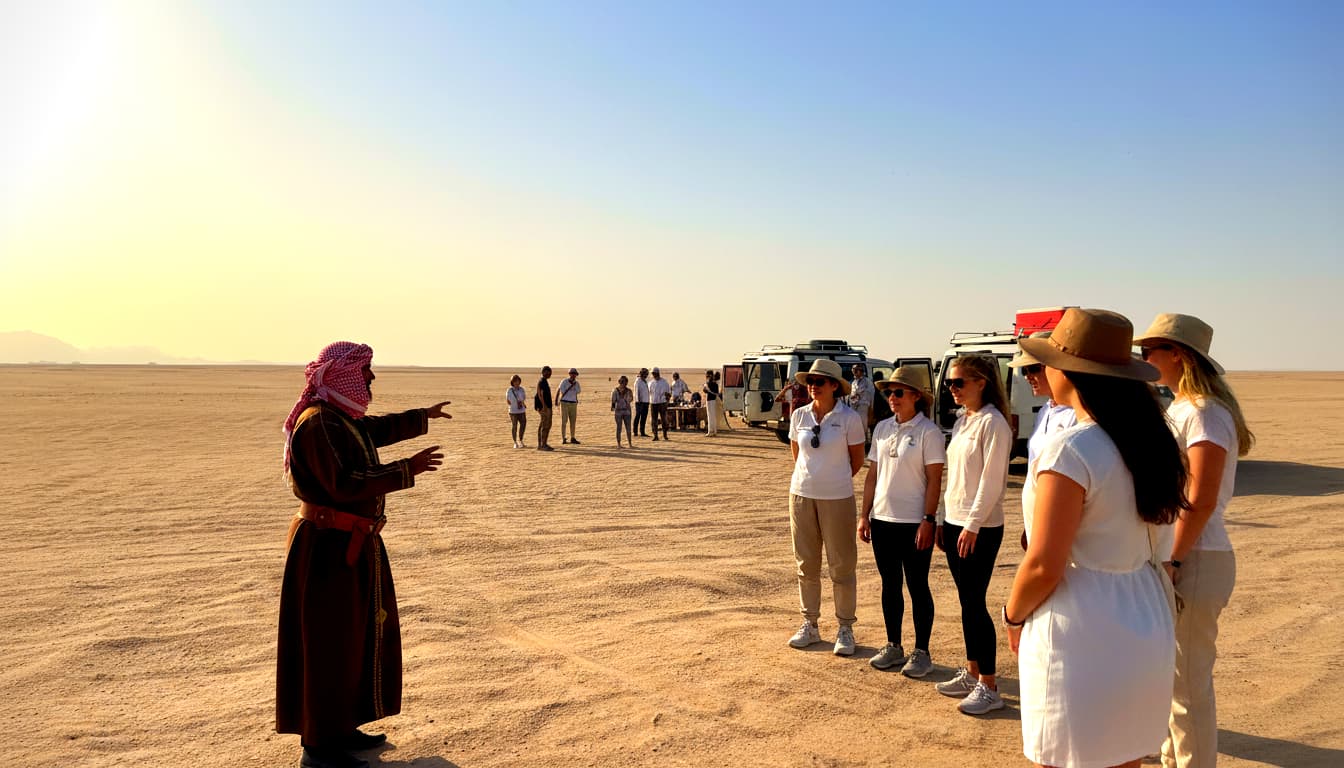
What travelers can still see today
The original facial marks are gone, but their legacy remains. You can find them in museum archives and historical photos. Bedouin elders still share stories about these symbols. Also, you can look for them in traditional jewelry and textile patterns. Cultural tours and desert experiences bring these histories to life. Understanding these symbols certainly enriches any journey into the desert.