


Beneath the surface, Hurghada hides a world that feels more like a living painting than a real place. But behind this beauty lies a fragile ecosystem that requires care and attention. The Red Sea is one of the most unique marine environments in the world, and what happens here affects everyone from local fishermen to global scientists. That’s why we’ve explored some of the environmental challenges Hurghada faces and created this Hurghada environmental guide to help keep the Red Sea healthy for future generations.
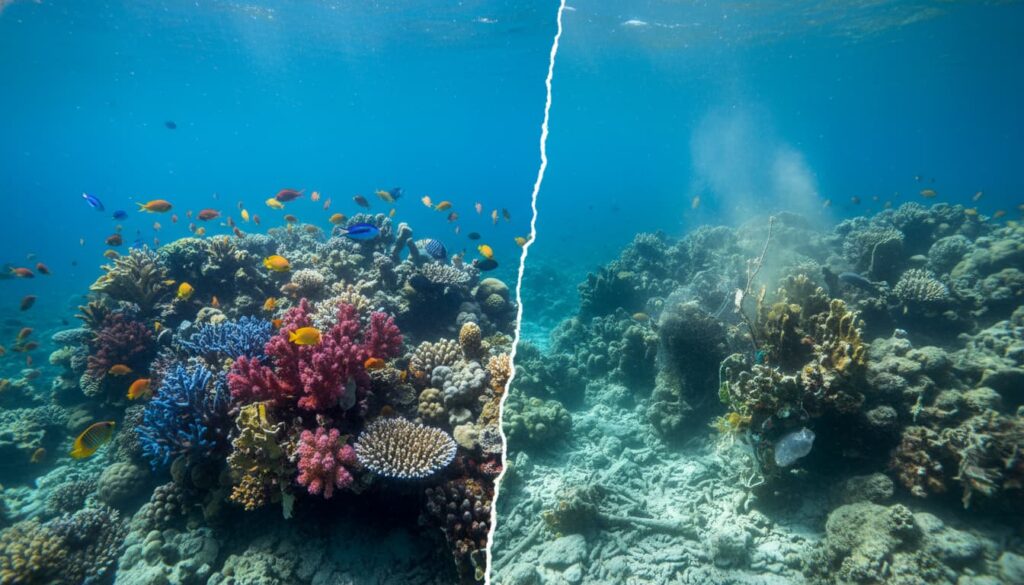
Home to one of Earth’s most extraordinary ecosystems
Do you know that the Red Sea is home to more than 1,200 species of fish? Many of them are found nowhere else on Earth. Its coral reefs can survive warmer temperatures than reefs in other parts of the world, which is why scientists often call them “super corals.” If you’ve ever swam above a Red Sea reef, then you know that it feels like watching a living picture. Bright orange anthias, elegant butterflyfish, and curious parrotfish all moving in harmony. This beauty is what makes Hurghada famous… and also what makes it fragile.
Main environmental challenges in Hurghada
1. Hurghada environmental guide about coral reefs damage
Corals are living organisms and are much more fragile than they appear. Even a small break in a coral branch can take years to heal. The biggest threats are:
- touching corals while snorkeling
- anchors dropping directly onto reefs
- sunscreen chemicals
- too many visitors in small areas
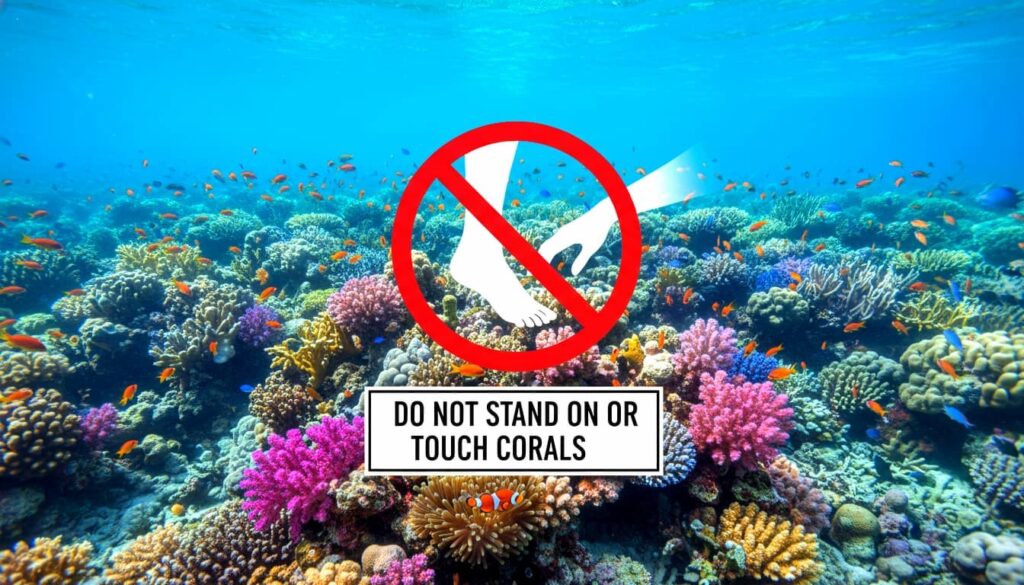
Professional guides explain the rules before every boat or snorkeling trip. They show how to enjoy the reefs safely. Even on your own, you should follow these rules. Touching or standing on coral can harm the reef and also break local law. Staying informed helps protect both nature and your tour.
2. Pollution on land and sea
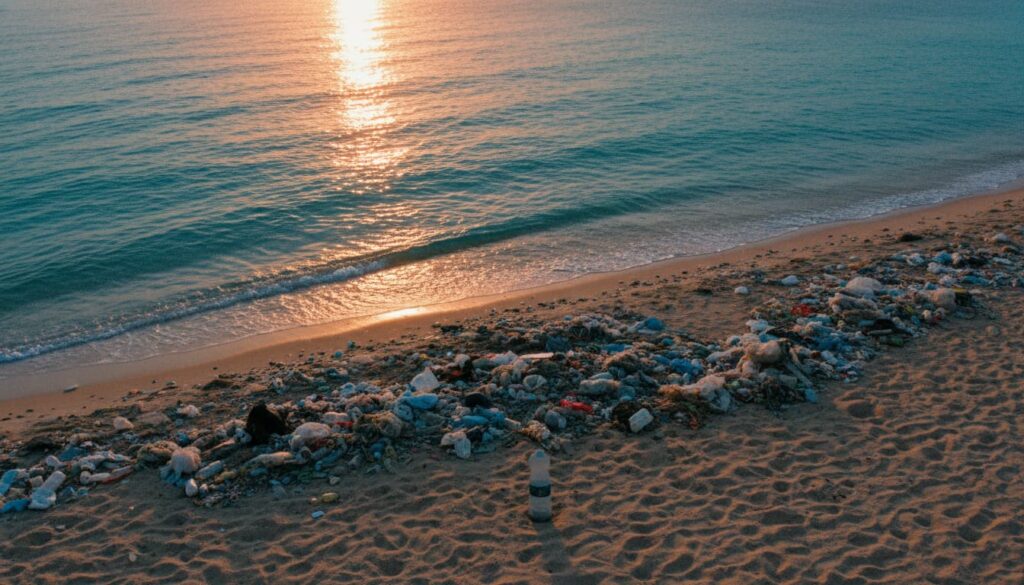
Pollution is one of Hurghada’s biggest environmental challenges, both on land and in the water. Plastic waste, cigarette butts, food wrappers, and oil leaks from boats are common problems. Floating plastic bags and bottles often drift into the sea, sometimes mistaken for jellyfish by sea turtles or fish, which can swallow them by mistake. Much of this pollution comes from human activity. The big Hurghada’s problem is that there aren’t enough trash bins, which makes it easy for people to leave waste on the ground.
3. Over-tourism at popular spots
Hurghada’s stunning reefs attract thousands of visitors every day, especially around popular areas like Giftun Islands. While these sites are breathtaking, the heavy boat traffic, crowded snorkel spots, and careless fin kicks can put serious pressure on the delicate marine ecosystem. Coral can be easily broken, fish habitats disturbed, and the overall health of the reef compromised. For anyone reading this Hurghada environmental guide, it’s important to understand that responsible tourism makes a difference. Choosing eco-friendly tours and following guides’ instructions can help protect these underwater treasures for years to come.
4. Beach erosion
Building too close to the shoreline disrupts the natural movement of sand and water, causing beaches to shrink and reshaping the coastline over time. In areas like El Gouna, rapid construction has already damaged nearly 50% of the nearby coral reefs, showing how development can directly affect marine ecosystems. It’s a reminder that sustainable planning is essential. Preserving natural beaches not only protects coral reefs and marine life but also ensures that future visitors can continue to enjoy Hurghada’s pristine coastline.
5. Desalination impact: Hurghada environmental guide
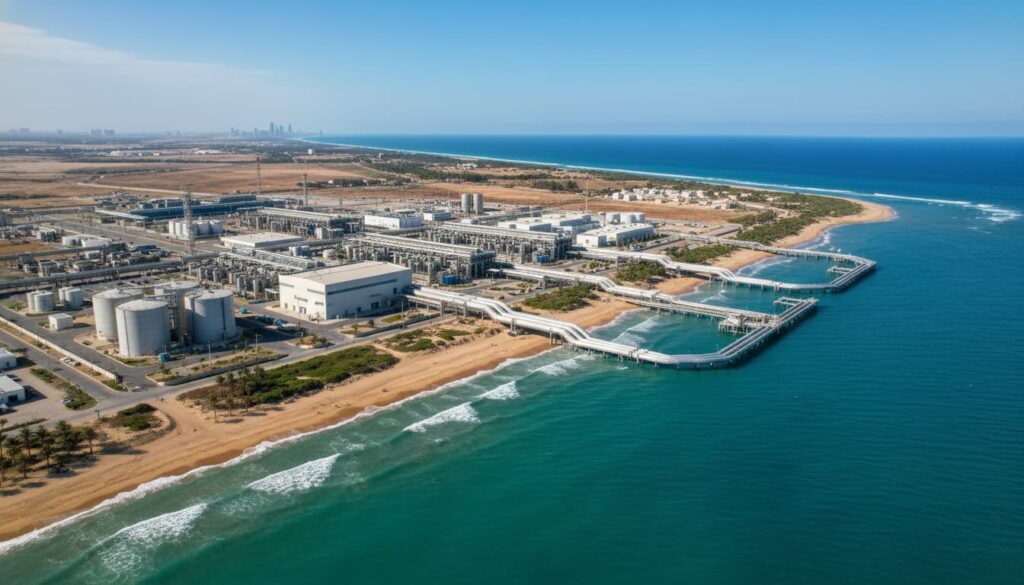
Hurghada relies on desalinated water to meet the needs of its growing population and resorts. However, the leftover salt brine discharged back into the Red Sea can increase local salinity, affecting nearby coral reefs and marine life if not carefully managed. This section of the Hurghada environmental guide shows why sustainable water practices are essential. Tourists can also make a difference by supporting eco-friendly hotels and operators who follow proper desalination procedures, helping to protect the delicate reef zones and ensuring that Hurghada’s underwater beauty remains for generations to enjoy.
Who is protecting Hurghada’s environment?
HEPCA works tirelessly to protect the Red Sea. They introduced: the mooring buoy system (to stop anchors damaging reefs), beach and desert cleanups, and educational programs. Many of the beautiful reefs tourists enjoy today are safer because of HEPCA’s long-term efforts. Many dive and snorkel operators now follow “reef-friendly rules”:
* no anchoring
* no feeding fish
* no touching corals
* giving short eco-briefings before every trip
Today’s fishermen in Hurghada know the sea like the back of their hand. They carefully avoid catching young fish and follow seasonal patterns to keep marine life healthy. On top of that, the government has created protected marine areas, including the famous Giftun Islands. These zones limit overcrowding and give coral reefs a safe space to recover and thrive. For visitors, this means you can enjoy snorkeling and diving in spots where nature is carefully preserved, helping to keep the Red Sea vibrant and full of life.
How tourists can help right now according to Hurghada environmental guide
Visitors have a bigger impact than they think. Here are easy ways to be a “reef hero”:
- Do NOT stand on or touch corals
- Use reef-safe sunscreen
- Choose eco-friendly boats and centers
- Avoid single-use plastics (bags, cups, straws)
- Don’t feed fish, it disrupts their natural behavior
- Take only pictures, leave only bubbles.
Even small actions make a difference.
The future of Hurghada’s nature
Hurghada’s beauty isn’t just a tourism attraction; it’s a treasure worth protecting. With the combined effort of conservation groups, responsible tourism, and growing awareness, the Red Sea still has a bright future. Our coral reefs, beaches, and marine life can continue to amaze visitors for decades to come… as long as we care for them today.