


Планирование поездки в страну фараонов включает в себя не только бронирование авиабилетов и покупку солнцезащитного крема. Чтобы уверенно ориентироваться на местных улицах, необходимо понимать... В Египте существует обычай давать чаевые. В местном масштабе это называется «бакшиш». Чаевые являются неотъемлемой частью египетской экономики. и основной способ выразить признательность за оказанные услуги.
Понимание концепции бакшиша
В западных культурах чаевые часто рассматриваются как необязательный «бонус». Однако в Египте чаевые глубоко вплетены в социальную ткань общества. Многие работники сферы обслуживания, от уборщиков общественных туалетов до портье в отелях, получают очень низкую базовую заработную плату и почти полностью полагаются на бакшиш для содержания своих семей. Понимание этого помогает изменить точку зрения с «постоянных просьб о деньгах» на «участие в местной экономической традиции».
Рекомендуемые размеры чаевых в Египте
Один из самых распространенных вопросов, которые задают путешественники: «Сколько мне следует дать в качестве подарка?» Хотя четких правил нет, вот несколько общих рекомендаций в египетских фунтах (EGP):
Официанты и рестораны
В большинстве дорогих ресторанов в счет включается плата за обслуживание (12-141 египетских фунтов). Однако эти деньги поступают в заведение, а не официанту. Обычно к счету добавляют еще 5-101 египетских фунтов наличными. Вы можете оставлять чаевые официанту в отеле ежедневно (50-70 египетских фунтов) или во время многодневного пребывания. Обязательно оставляйте чаевые в начале вашего пребывания, так как это может улучшить качество обслуживания и внимание, которое вам окажут.
гостиничные портье и камердинеры
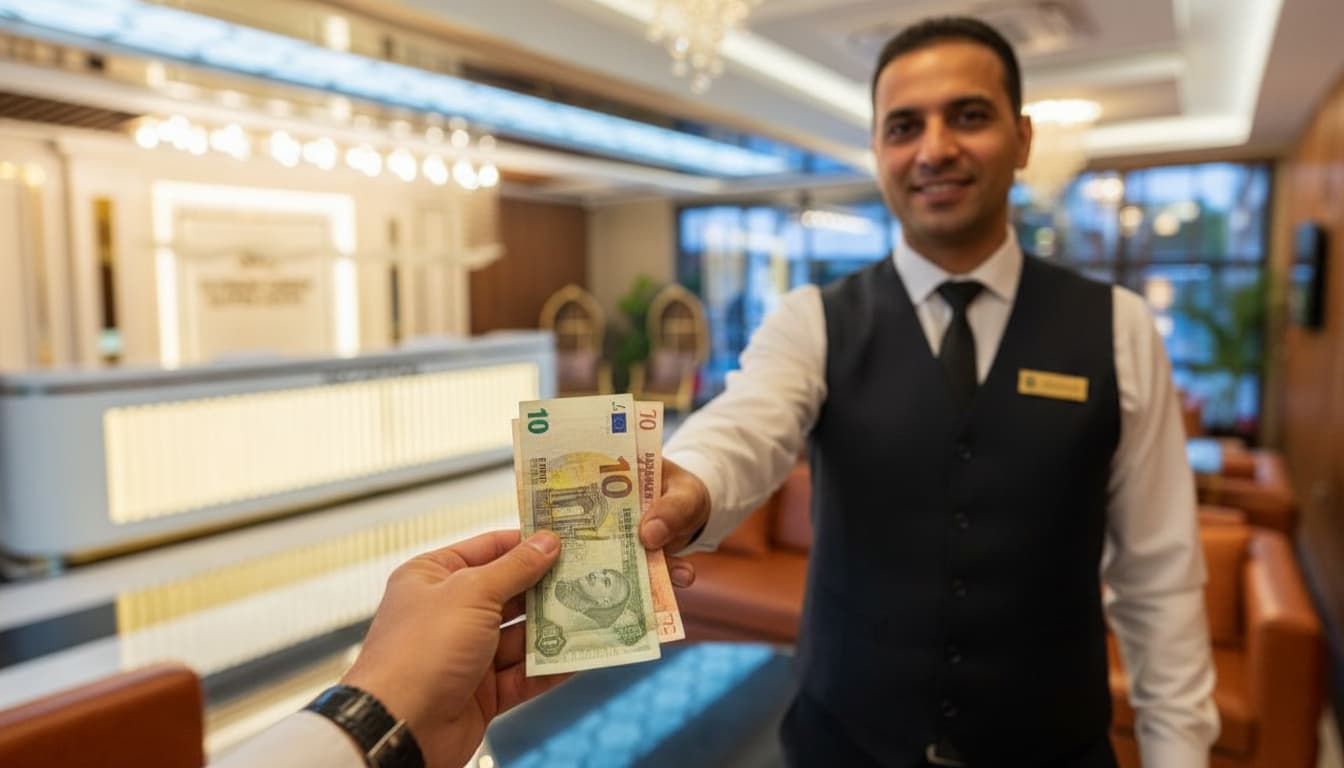
За доставку багажа в номер обычно дают 20–30 египетских фунтов за сумку. Аналогичные правила этикета действуют и в Египте в отношении чаевых персоналу отелей, особенно парковщикам и горничным. Горничной настоятельно рекомендуется оставлять чаевые в размере 50–60 египетских фунтов в день. Предоставление такого бакшиша в начале вашего пребывания Зачастую это обеспечивает более персонализированный подход. Гости часто отмечают, что этот небольшой жест приводит к тому, что им предлагают дополнительные бутылки бесплатной воды, свежие полотенца каждый день и такие художественные детали, как цветочные композиции на кровати или замысловатые фигурки оригами из полотенец.
Сотрудники туалетов
В общественных местах или на исторических достопримечательностях часто можно увидеть, как кто-то раздает салфетки; стандартная цена в таких местах составляет 50 египетских фунтов.
чаевые гидам
Ваш гид часто является самым влиятельным человеком в вашей экскурсии, предоставляя исторический контекст, который оживляет древние руины, или знакомя вас с правилами поведения во время экскурсий и сафари. Следовательно, чаевые гидам в Египте варьируются в зависимости от ситуации:
- Индивидуальные исторические экскурсииДля целого дня на таком крупном объекте, как... Пирамиды Гизы В случае с храмами Луксора чаевые в размере 800–1000 египетских фунтов частному гиду — это щедрый и высоко ценимый жест.
- Групповые турыЕсли вы путешествуете в составе большой группы, стандартная сумма взноса составляет от 60 до 120 египетских фунтов с человека.
- Морская прогулка вокруг острова, сноркелинг и дайвинг.Во время ежедневных морских экскурсий принято оставлять общие чаевые экипажу. Обычно в конце поездки уместна сумма от 100 до 300 египетских фунтов с семьи.
- Сафари по пустынеДля тех, кто отправляется в песчаные дюны, чаевые в Египте распространяются как на гида, так и на водителя. Обычно гиду оставляют от 50 до 250 египетских фунтов, а водителю джипа, который проехал по пересеченной местности, — от 50 до 150 египетских фунтов.
- Круиз по НилуКогда дело доходит до чаевых во время Круиз по НилуДействуют особые правила. На круизных лайнерах обязательны чаевые в размере $10 или 10 евро с человека за ночь, которые обычно оплачиваются на стойке регистрации при заселении. Однако, если вы хотите выразить особую благодарность своему горничному, конкретному официанту или повару, вам следует следовать индивидуальным правилам чаевых, упомянутым ранее в этом руководстве.
Чаевые за частный и местный транспорт в Египте
При определении размера чаевых за проезд сумма зависит от продолжительности и характера поездки. Для частного водителя во время поездки на лодке или сафари стандартная сумма чаевых составляет 100–200 египетских фунтов. Для поездок на дальние расстояния или однодневных экскурсий в таких городах, как Каир и Луксор, уместны более крупные чаевые. Мы рекомендуем 250–500 египетских фунтов на водителя, чтобы отразить высокий уровень предоставляемых услуг. Для коротких ежедневных поездок на такси или Uber просто округлите сумму в большую сторону.
Когда и как оставлять чаевые
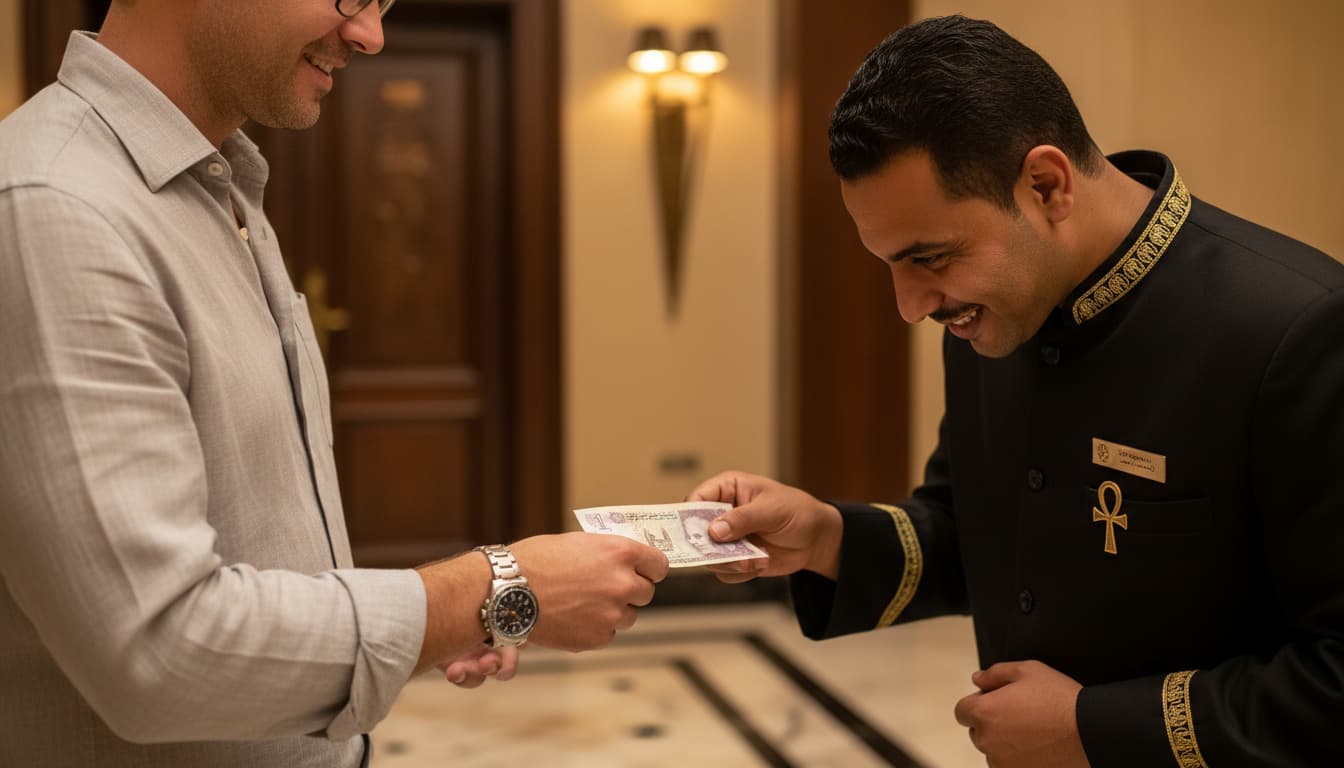
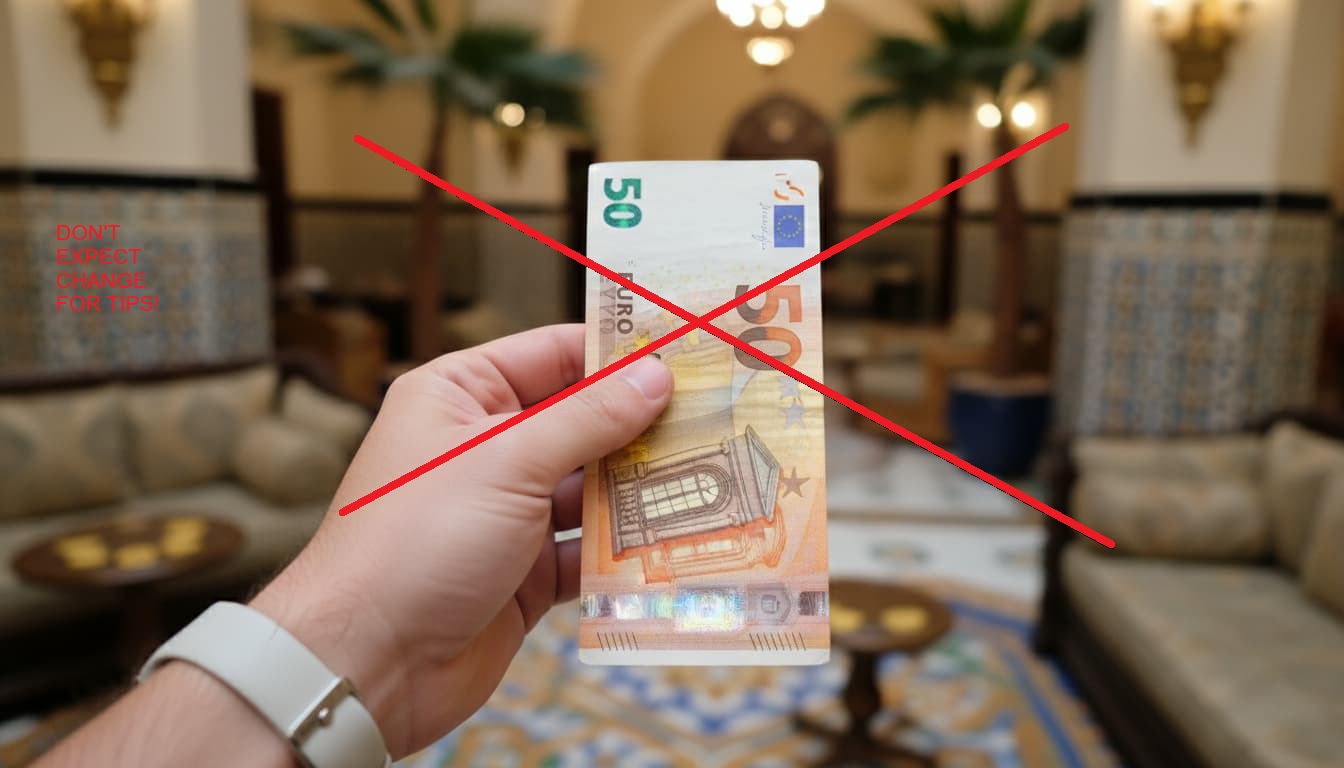
«Как» так же важно, как и «сколько». При чаевых в Египте лучше всего делать это незаметно. Традиционным и вежливым способом предложить бакшиш является сложенная банкнота, переданная во время рукопожатия. Всегда старайтесь иметь при себе полный карман... мелкие купюры (Банкноты 5, 10 и 20 египетских фунтов). На местных рынках бывает очень сложно найти сдачу с крупных купюр в 100 или 200 египетских фунтов.
Распространенные правила этикета и распространенные ошибки
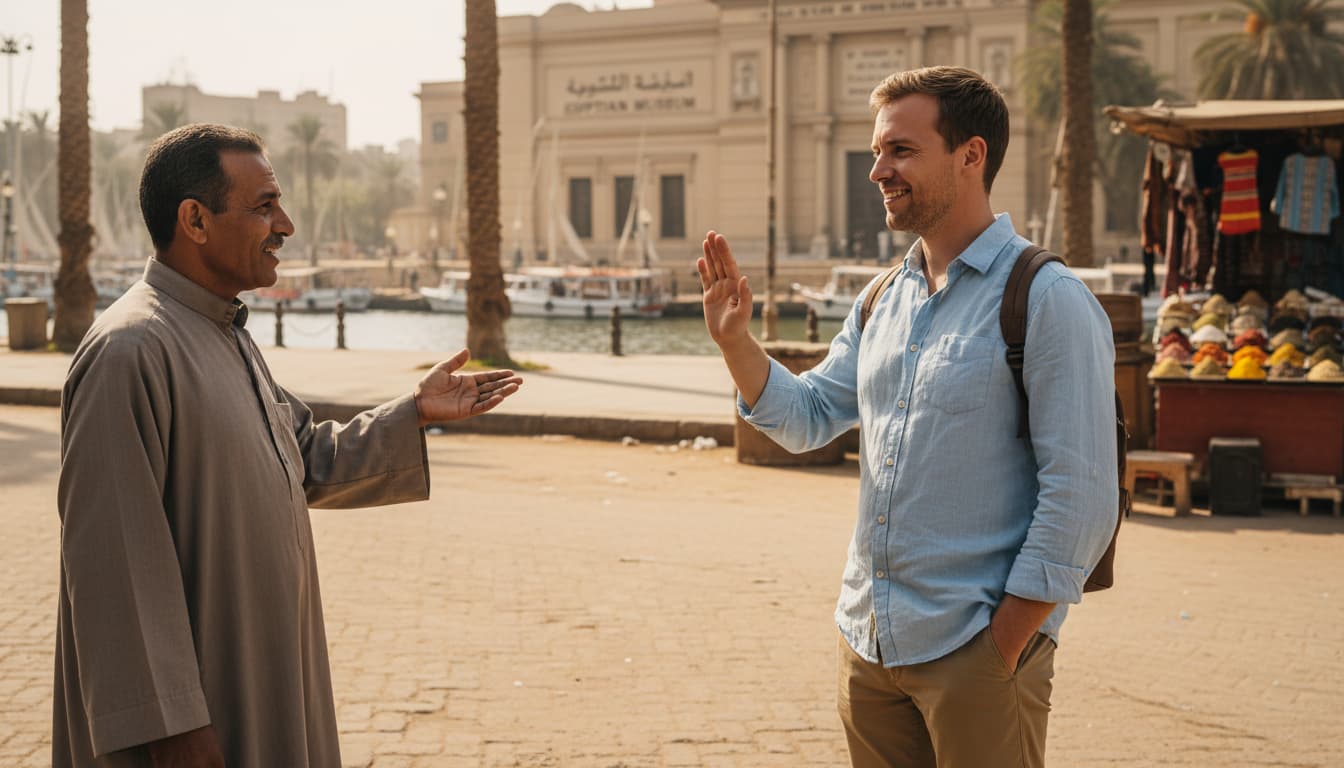
Хотя чаевые и ожидаются, вы никогда не должны чувствовать себя обязанными оставлять чаевые за плохое обслуживание или за «помощь», о которой вы не просили (например, когда незнакомец предлагает показать вам дорогу). Марина Хургадыили у входа в музей (это хорошо видно). Важно помнить, что чаевые следует давать в местной валюте или основных иностранных валютах ($/€). Однако всегда используйте банкноты вместо монет, поскольку банки в Египте не обменивают иностранные монеты.
Освойте искусство чаевых в Египте вместе с Хургадой уже сегодня!
В Египте не обязательно испытывать стресс, когда дело касается чаевых. Воспринимая бакшиш как жест благодарности и способ поддержать местное сообщество, вы обнаружите, что ваше общение с местными жителями станет гораздо более приятным. Носите с собой мелочь, давайте чаевые с улыбкой и наслаждайтесь невероятным гостеприимством. что может предложить Египет.