



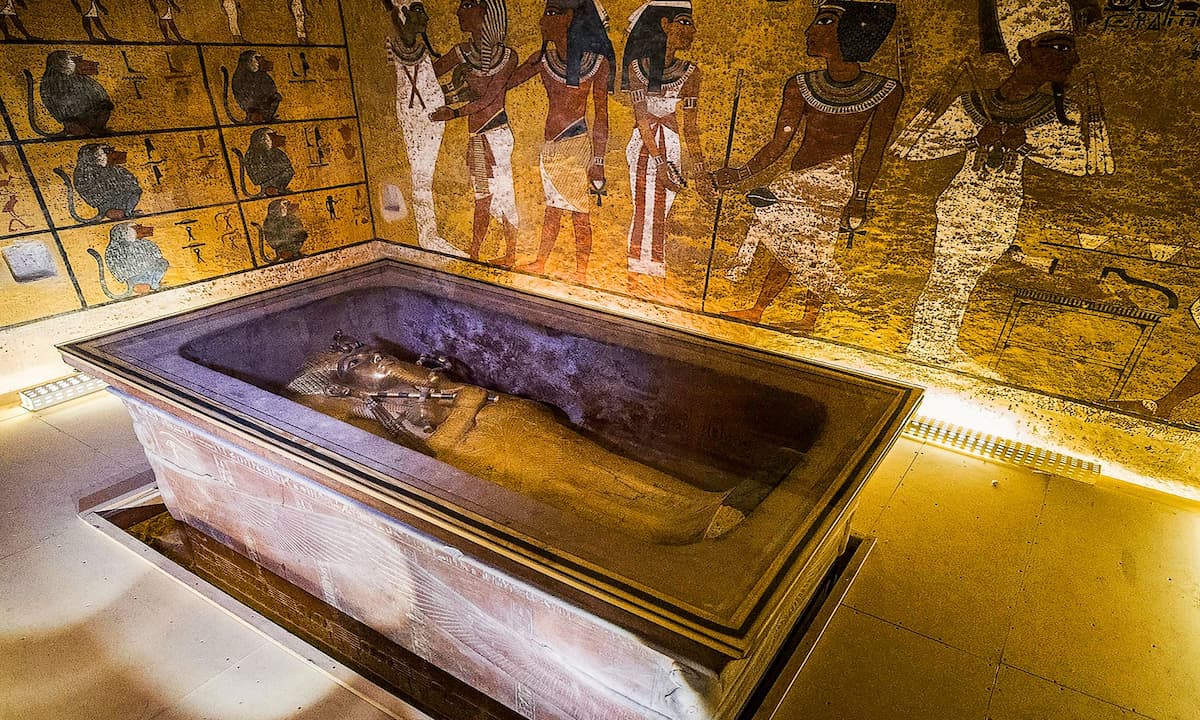
Într-o dimineață rece de noiembrie a anului 1922, arheologul britanic Howard Carter stătea în fața unei uși de piatră sigilate, îngropată sub nisipurile deșertului din Valea Regilor din Luxor. Acel moment avea să schimbe pentru totdeauna istoria arheologică. Și-a ridicat lampa, a scuturat praful și a descoperit o inscripție misterioasă: „Moartea va veni pe aripi rapide celui ce tulbură pacea regelui.” O singură propoziție a fost de ajuns pentru a stârni spaimă în inimile tuturor celor prezenți. Curiozitatea a învins însă frica. Carter a deschis ușa, iar istoria a răsuflat ușurată. Așa a început unul dintre cele mai mari mistere ale tuturor timpurilor: Blestemul faraonilor.
Începutul legendei
La doar câteva săptămâni după descoperire, sponsorul expediției, Lord Carnarvon, a murit din cauza unei otrăviri a sângelui după ce o mușcătură de țânțar s-a infectat. Ziarele au senzaționalizat povestea cu titluri precum: „Moartea va veni pe aripi rapide la cel care tulbură pacea regelui!” Ziarele britanice și franceze au profitat de fiecare zvon. Scriitori precum Arthur Conan Doyle, creatorul lui Sherlock Holmes, au declarat că „forțele spirituale ale regilor antici” s-au răzbunat pe cei care le-au încălcat odihna. Astfel, blestemul nu s-a născut din morminte, ci de la tipografiiȘi, pe măsură ce tot mai mulți membri ai expediției mureau în mod misterios, lumea a devenit convinsă că se dezlănțuise un blestem mortal.
Inscripții de avertizare pe pereții mormintelor
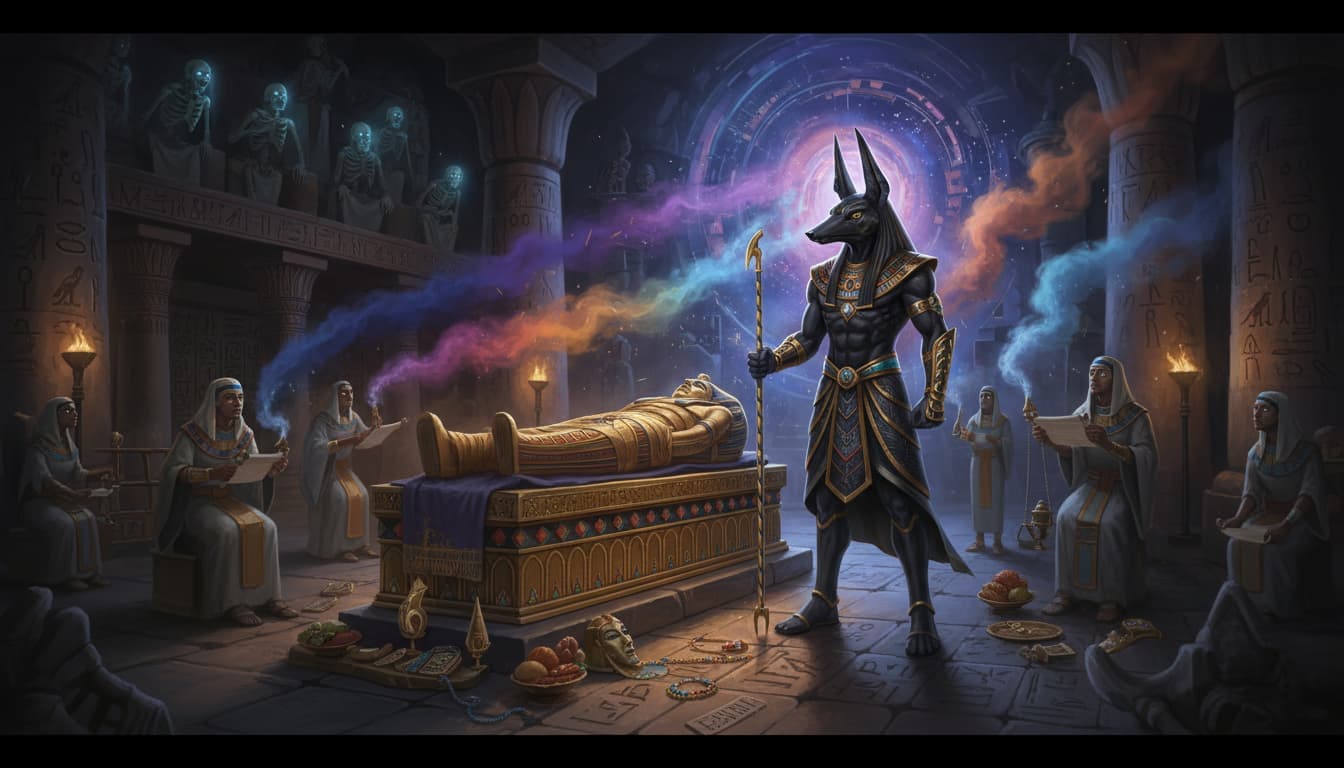
Multe morminte regale conțin inscripții care avertizează intrușii să nu-i deranjeze pe defunct. Una dintre cele mai faimoase spune: „Moartea va veni pe aripi repezi la cel care îl deranjează pe rege”. Aceste avertismente făceau parte din ritualuri funerare egiptene antice menite să protejeze decedatul de jefuitorii de morminte și de profanare, alimentând și mai mult mitul blestemului. Dar este într-adevăr un blestem sau are o explicație științifică?
Explicații științifice din spatele blestemului faraonilor
În ciuda poveștilor terifiante, știința modernă a dezvăluit explicații logice pentru multe dintre aceste morți misterioase:
1. Ciuperci și bacterii toxice
În interiorul mormintelor sigilate, cercetătorii au descoperit mucegaiuri precum Aspergillus flavus, care produc toxine mortale ce pot provoca infecții respiratorii severe atunci când sunt inhalate. Sporii acestor ciuperci ar fi putut provoca febre mortale sau infecții pulmonare, la fel ca cele raportate în rândul primilor arheologi.
2. Gaze otrăvitoare
Materialele antice de îmbălsămare emit gaze periculoase precum metanul și formaldehida, care pot provoca intoxicații în zone prost ventilate.
3. Factori psihologici
Frica și sugestia au jucat un rol major. Mulți exploratori, deja îngroziți de poveștile despre blestem, au suferit atacuri de cord sau căderi nervoase atribuite panicii pure.
Magie și credință în Egiptul Antic
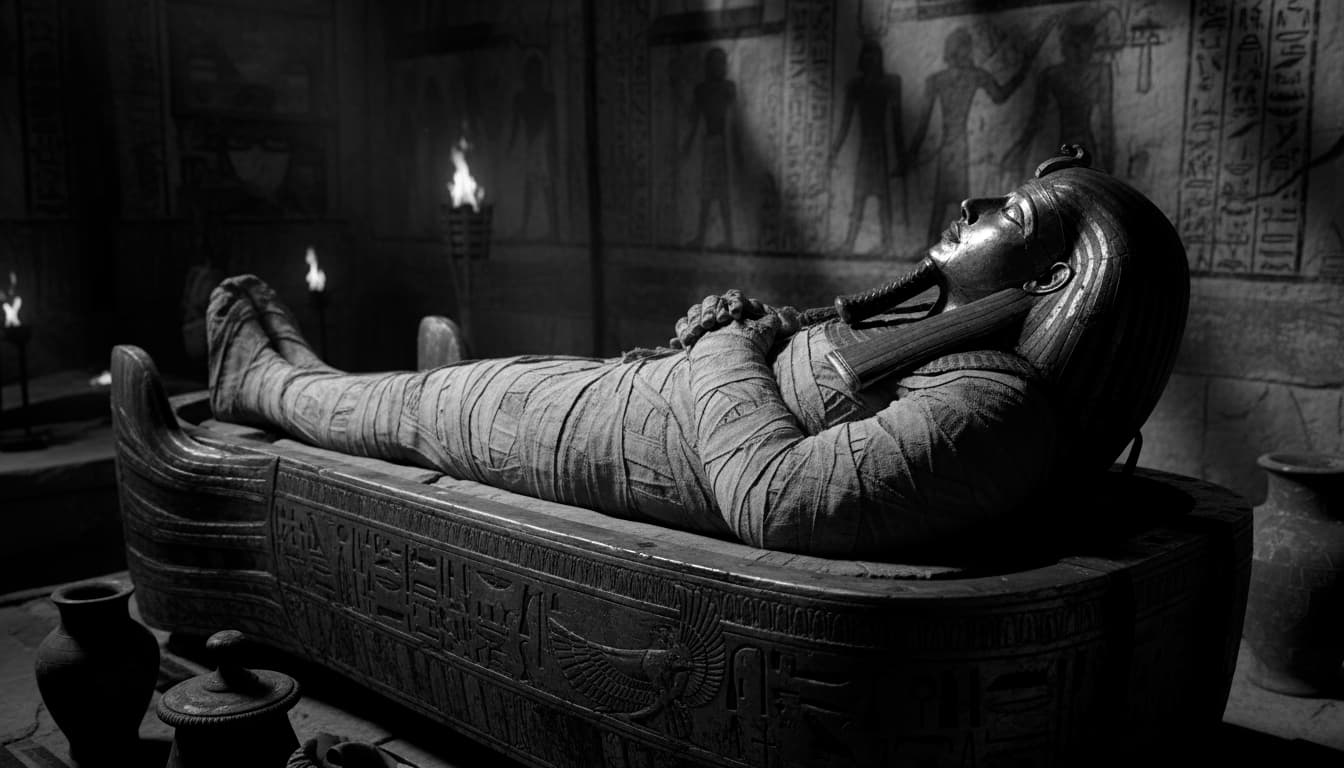
Egiptenii antici credeau profund în viața de apoi. Ei considerau că spiritul decedatului (ka) avea nevoie de pace și protecție în mormânt. Pentru a-l proteja, au inscripționat avertismente precum: „Cel care intră în acest mormânt va fi devorat de un crocodil și înțepat de un șarpe”. Acestea nu erau blesteme literale, ci măsuri de descurajare psihologică și religioasă împotriva jefuitorilor de morminte. Exploratorii occidentali, nefamiliarizați cu Cultura egipteană, le-au interpretat greșit ca semne ale unei adevărate răzbunări magice, transformând protecția culturală în groază supranaturală.
Blestemul faraonilor în film și cultura populară
Misterul blestemului a inspirat nenumărați cineaști și scriitori. Filme precum „Mumia” l-a transformat într-un simbol global al ororii, cu rădăcini în Egiptul antic. Cărțile și legendele continuă să îmbine frica, misterul și istoria, făcând din blestem una dintre cele mai durabile povești din cultura modernă.
Adevărul dintre mit și realitate
Un secol mai târziu, înregistrările arată că majoritatea oamenilor care au intrat în mormânt au trăit vieți lungi, inclusiv Howard Carter însuși, care a murit în pace în 1939, la 17 ani după descoperire. Arheologi egipteni, inclusiv Dr. Zahi Hawass, au confirmat că blestemul este un mit occidental, născut din neînțelegeri și senzaționalism media. Totuși, povestea dăinuie, deoarece reflectă frica eternă a umanității de moarte și de necunoscut. Ne amintește că, chiar și într-o epocă a științei, misterul încă deține puterea.
Între magia trecutului și lumina științei
Povestea „Blestemului faraonilor” dezvăluie cum un singur eveniment arheologic poate deveni o legendă globală.
Este o poveste născută din aerul toxic, din imaginația occidentală și din admirația față de strălucirea Egiptului antic. Poate că mesajul mai profund al blestemului este acesta: Unele secrete ale istoriei nu sunt menite să fie dezvăluite, până le vine vremea.
Fapte științifice uimitoare despre mormintele faraonilor
🏺 Mormintele erau case veșnice pentru regi
Egiptenii și-au conceput mormintele ca locuințe eterne, pline cu mobilier, mâncare și statui sacre pentru viața de apoi.
🌿 Mumificarea a fost o știință extrem de avansată
Au folosit săruri de natron și uleiuri aromatice pentru a conserva corpurile timp de mii de ani.
💎 Comorile erau simboluri religioase
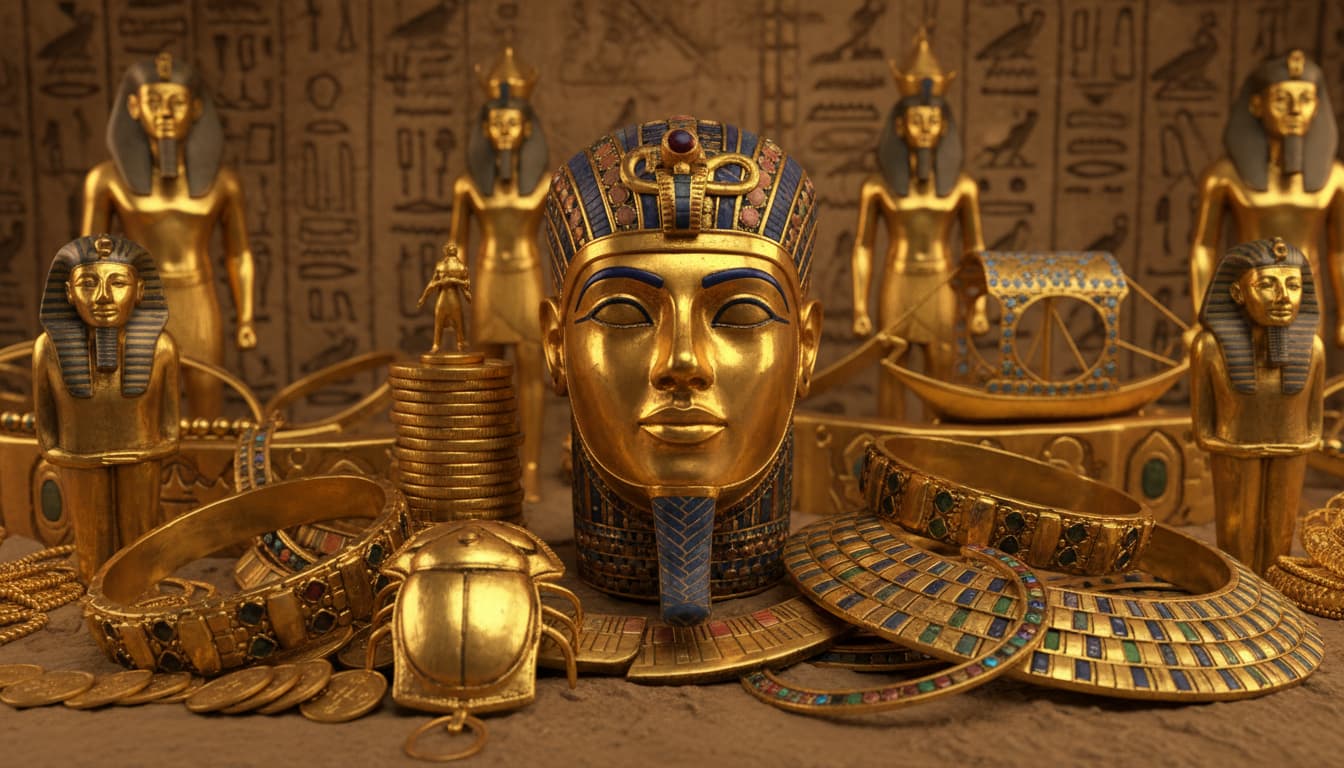
Aurul și bijuteriile reprezentau protecția divină și nemurirea — nu doar o simplă decorațiune.
⚗️ Ciuperci și gaze mortale în interiorul mormintelor
Studiile moderne confirmă prezența aerului toxic și a microbilor care pot provoca reale decese.
🐈 Animale sacre îngropate împreună cu faraonii
Pisicile, șoimii și alte creaturi sacre simbolizau protecția, puterea și eternitatea.