



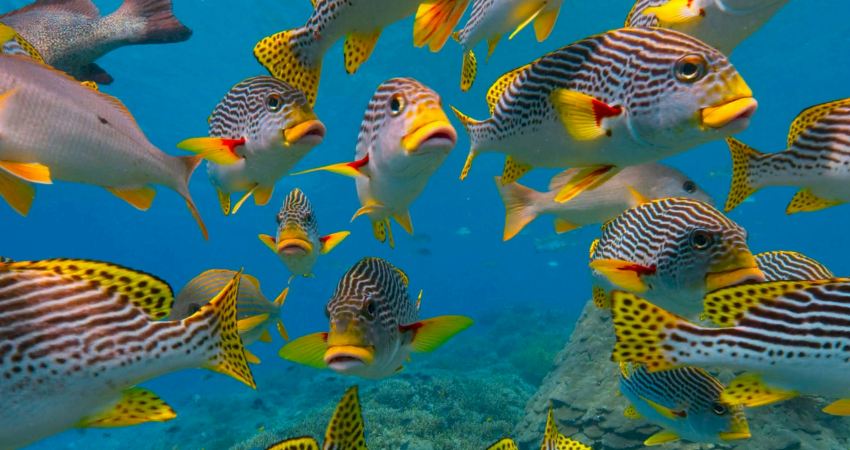
Вода в океанах и морях содержит значительное количество растворенного кислорода. Тем не менее, если бы человек попытался дышать под водой, выжить было бы невозможно. Тем временем, морские существа Делать это естественно и без усилий. Это поднимает интересный вопрос: Как рыбы извлекают кислород из воды?А все ли морские животные дышат одинаково? В этой статье мы рассмотрим, как дышат различные морские организмы, и основные различия между рыбами и морскими млекопитающими, такими как киты и дельфины.
Дыхание как жизненно важный процесс
Кислород поддерживает жизнь. Он питает каждую клетку, давая живым организмам возможность двигаться, расти и оставаться в живых. Человек получает кислород через легкие, втягивая его из воздуха с каждым вдохом. Легкие переносят его в кровь, которая доставляет его во все части тела. Взамен углекислый газ выводится из организма в виде отходов. Но Для обитателей подводного мира все устроено иначе.Там нет воздуха, чтобы дышать, только вода. За миллионы лет морские обитатели выработали удивительные способы поглощения кислорода, скрытого в них.
Как рыбы дышат под водой?
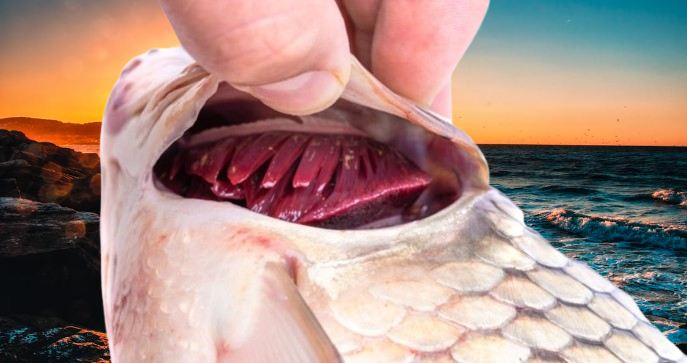
У рыб нет лёгких, как у нас. Вместо этого они дышат с помощью специальных органов, называемых жабрами. Эти жабры выполняют жизненно важную функцию газообмена — вдыхают кислород и выдыхают углекислый газ. Каждая жабра состоит из... Тонкие, изящные нити, наполненные мельчайшими кровеносными сосудами. Именно это придает им ярко-красный цвет. У большинства рыб четыре пары жабр, но некоторые, например, Акулы могут быть численностью до семи особей.Когда рыба открывает ротВода поступает и омывает жабры. Кровь внутри жаберных нитей собирает кислород, растворенный в воде, и выделяет взамен углекислый газ. Затем использованная вода вытекает через жаберные отверстия — подобно тому, как вода просачивается через сито.
Трудности дыхания под водой
Хотя рыбы кажутся хорошо приспособленными, подводное дыхание на самом деле является сложным процессом. Вода содержит всего около 8 миллиграммов кислорода на литр, в то время как В воздухе содержится почти 210 миллиграммов на литр. — более чем в 25 раз больше. Кроме того, уровень кислорода значительно падает в более глубоких водах, а это значит, что рыбам приходится полагаться на высокоэффективные системы извлечения кислорода, чтобы выжить в таких условиях.
Двойное дыхание у некоторых видов
Не все рыбы зависят исключительно от жабр. Более того, не все рыбы зависят только от них. 450 видов рыб Могут дышать воздухом напрямую, используя двойную дыхательную систему, которая сочетает в себе жабры, легкие или даже поверхность кожи.
Примеры включают:
- Илистый прыгун: Этот вид, родом из Юго-Восточной Азии, может прожить до шести дней подряд вне воды, дыша непосредственно воздухом.
- Сом: В Египте известен как КармутЭта рыба может выживать на суше, если её кожа остаётся влажной.
Морские млекопитающие — уникальный случай.
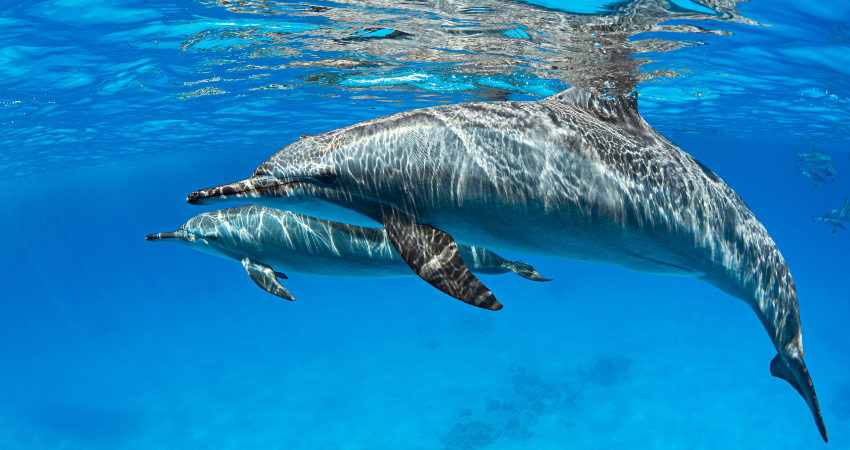
Киты и дельфины — это не рыбы, а морские млекопитающие, дышащие воздухом. через легкиеУ них есть особое отверстие на макушке головы, называемое дыхательным отверстием, которое плотно закрывается во время погружения и открывается, когда они всплывают на поверхность, чтобы вдохнуть воздух. Киты могут хранить большое количество кислорода В их телах есть зазоры, позволяющие им оставаться под водой до 60 минут, в то время как дельфины обычно могут задерживать дыхание на 8–10 минут.
Теперь вы понимаете, как морские обитатели дышат под водой.
Дыхание у морских обитателей — один из самых замечательных примеров биологической адаптации. В то время как рыбы используют жабры для извлечения кислорода из воды, морские млекопитающие полагаются на легкие для дыхания воздухом, что демонстрирует необычайное разнообразие и интеллект жизни под водой. Понимание этих механизмов углубляет наше понимание морской биологии и способствует глобальным усилиям по сохранению, направленным на защиту хрупкого баланса океанических экосистем. Если вас это вдохновило... Исследуйте этот скрытый мир самиКомпания Hurghada Today предлагает незабываемые морские путешествия, во время которых вы сможете вблизи полюбоваться красотой морской жизни.